
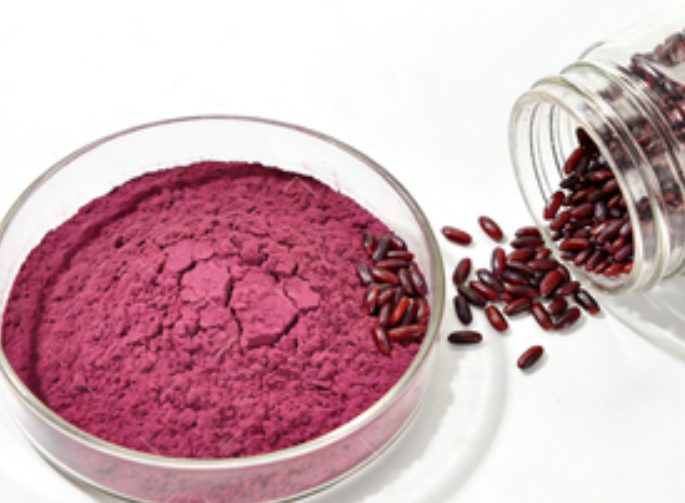
Red yeast rice extract is a fermentation-derived botanical ingredient with a history of use in East Asia spanning more than a thousand years. It is produced by cultivating the mold Monascus purpureus on cooked rice, a process that generates a distinctive reddish-purple pigment along with a complex profile of bioactive compounds. Today, this traditional ingredient has become one of the most researched nutraceutical raw materials, particularly in the context of lipid metabolism and cardiovascular health.
What is Red Yeast Rice Extract?
Red yeast rice extract is a standardized powder obtained from fermented red yeast rice. Unlike the crude fermented rice used historically as a food colorant and preservative, commercial extracts are processed to concentrate specific active markers, most notably monacolin K. The extract typically appears as a red to dark red fine powder and is standardized to a defined monacolin K content, allowing formulators to calculate accurate dosages for finished products.
The fermentation process is central to the ingredient‘s value. Monascus purpureus produces a family of monacolins—compounds structurally related to statins—along with pigments, organic acids, and other metabolites. Monacolin K is the most extensively studied of these compounds because it is structurally identical to lovastatin, a prescription medication used for cholesterol management.
Research on Lipid Metabolism and Cardiovascular Health
The primary area of scientific interest in red yeast rice extract is its relationship to lipid profiles. A multicenter, double-blind, randomized controlled trial published in 2026 examined a natto red yeast rice supplement in 1,110 participants with elevated LDL cholesterol. The study found that the supplement, taken alone or in combination with simvastatin, was associated with changes in lipid parameters over a three-month period. This trial represents one of the largest recent investigations into red yeast rice-based formulations.
Earlier research has explored the effects of monacolin K on LDL cholesterol. A review in Methodist Debakey Cardiovascular Journal noted that daily consumption of monacolin K from red yeast rice has been associated with reductions in LDL cholesterol in the range of 15% to 25% within six to eight weeks. The European Food Safety Authority (EFSA) has evaluated this relationship and authorized a health claim stating that monacolin K from red yeast rice contributes to the maintenance of normal blood cholesterol levels, with a daily intake of 10 mg of monacolin K from red yeast rice preparations.
Research has also explored other potential applications. A 2004 study in Life Sciences investigated red yeast rice extract‘s effects on adipocyte differentiation in cell models, finding that the extract was associated with decreased lipid accumulation and down-regulation of adipogenic transcription factors. A 2015 animal study explored the effects of monacolin K on ovariectomy-induced bone loss in rats, reporting changes in bone mineral density and bone turnover markers. These findings remain preliminary and require confirmation in human trials.
Product Specifications and Standardization
Red yeast rice extract is available in multiple grades, typically classified by monacolin K content. Common commercial specifications include 0.4%, 1%, 2%, and 3% monacolin K, with higher-purity grades available for specialized applications. The extract is standardized using HPLC, and suppliers should provide a certificate of analysis documenting the monacolin K content for each batch.
Beyond monacolin K, the extract contains other monacolins and bioactive compounds. A nuclear magnetic resonance study of commercial red yeast rice products found that total statin content, measured as monacolins, often exceeded the labeled monacolin K content alone, reflecting the presence of multiple related compounds. This complexity is relevant for formulators, as the full monacolin profile may contribute to the ingredient’s overall properties.
The Citrinin Question: A Critical Quality Consideration
Citrinin is a mycotoxin that can be produced by Monascus species during fermentation. It is nephrotoxic, and its presence in red yeast rice products has been a regulatory and safety concern for years. The European Commission has established a limit of 100 μg/kg for citrinin in red yeast rice-based food supplements. In Taiwan, the standard for red yeast rice health foods specifies citrinin concentrations below 2 ppm.
The presence of citrinin underscores the importance of supplier selection and quality control. A 2010 study of commercial red yeast rice supplements in the United States found detectable citrinin in one-third of the products analyzed, alongside wide variation in monacolin content. A 2024 review of adverse event reporting systems and meta-analyses noted that the rate of muscle and liver-related adverse events attributed to red yeast rice was low, but the authors emphasized the importance of product standardization and citrinin control.
For B2B buyers, requesting citrinin test reports alongside monacolin K analysis is a practical step toward ensuring product quality and regulatory compliance.
Regulatory Landscape
The regulatory status of red yeast rice extract varies significantly across markets. In the European Union, EFSA has expressed safety concerns regarding monacolins from red yeast rice, particularly at higher doses. In 2023, EFSA approved the use of monacolins from red yeast rice at doses less than 3 mg/day, while noting uncertainties about safety at lower doses. Germany classifies red yeast rice products as prescription medications when the daily monacolin K dose reaches 5 mg.
In the United States, red yeast rice is regulated as a dietary supplement. However, because monacolin K is structurally identical to lovastatin, the FDA has taken action against products that make drug-like claims or contain undisclosed lovastatin. Manufacturers must be careful to avoid disease treatment or prevention claims and should focus on structure/function claims that comply with DSHEA requirements.
In China, red yeast rice has a long history of use as both a food and a traditional medicine. It is recognized in the Chinese pharmacopeia, and domestically produced red yeast rice extracts are widely used in health food products.
Applications in Dietary Supplements
Red yeast rice extract is primarily used in dietary supplement formulations targeting lipid metabolism and cardiovascular wellness. It is commonly offered in capsule form, either as a standalone ingredient or in combination with other nutraceuticals such as nattokinase, coenzyme Q10, or plant sterols. The ingredient is also used in functional food applications, though the regulatory constraints around health claims limit its use in mainstream food products in some markets.
For formulators, the key considerations are the standardized monacolin K content, the citrinin level, and the regulatory status of the target market. Products intended for the European market must comply with the 3 mg/day monacolin threshold and carry appropriate warnings, while products for other markets may have different requirements.
Sourcing Considerations
When sourcing red yeast rice extract in bulk, buyers should prioritize suppliers who can provide complete documentation, including a certificate of analysis with monacolin K content, citrinin test results, heavy metal analysis, and microbiological data. The fermentation process should be well-controlled, and the supplier should be able to explain their approach to minimizing citrinin while maximizing monacolin yield.
Obtain High-Quality Red Yeast Rice Extract
We provide third-party tested red yeast rice extract with extremely low citrinin levels and standardized components. For samples, detailed technical specifications (including citrinin test reports), or product development support, please contact us.
Leave A Comment