
Introduction: A Citrus with Dual Identity
Bitter orange extract, derived from Citrus aurantium (also known as Seville orange), represents one of modern nutrition‘s most complex botanical compounds. Originating in Southeast Asia and later cultivated throughout the Mediterranean, this ancient citrus carries both traditional medicinal significance and contemporary scientific interest. While historically valued in Traditional Chinese Medicine as “Zhi Shi” for digestive support, its modern application centers on the alkaloid synephrine, positioning it at the intersection of natural weight management research and cardiovascular safety discussions.
Active Biochemical Profile
-
p-Synephrine: Primary bioactive alkaloid driving thermogenesis and fat oxidation
-
Trace Biogenic Amines: Octopamine, N-Methyltyramine (mild adrenergic activity)
-
Citrus Flavonoids: Hesperidin, naringin, neohesperidin (antioxidant & vascular protection)
-
Terpenes & Polyphenols: Aroma balancing and oxidative stability enhancement
Key Specifications
| Item | Specification |
|---|---|
| Botanical Origin | Citrus aurantium (Seville Bitter Orange, dried fruit peel) |
| Core Active | p-Synephrine (HPLC tested) |
| Standard Synephrine Grade | 4% / 6% / 8% (customizable) |
| Extraction Ratio | 10:1, 20:1, standardized full-spectrum extract |
| Key Co-Compounds | Hesperidin, Naringin, Neohesperidin, Octopamine |
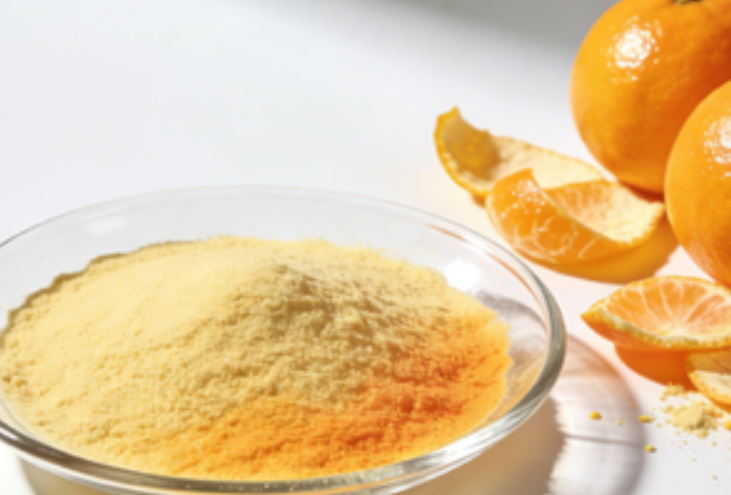
| Appearance | Orange-yellow fine powder (80–100 mesh) |
| Extraction Technology | Supercritical CO₂ / Ethanol extraction (low solvent residual) |
| Storage & Shelf Life | 24 months (sealed, light-proof, dry environment) |
Core Evidence-Based Applications (B2B End Uses)
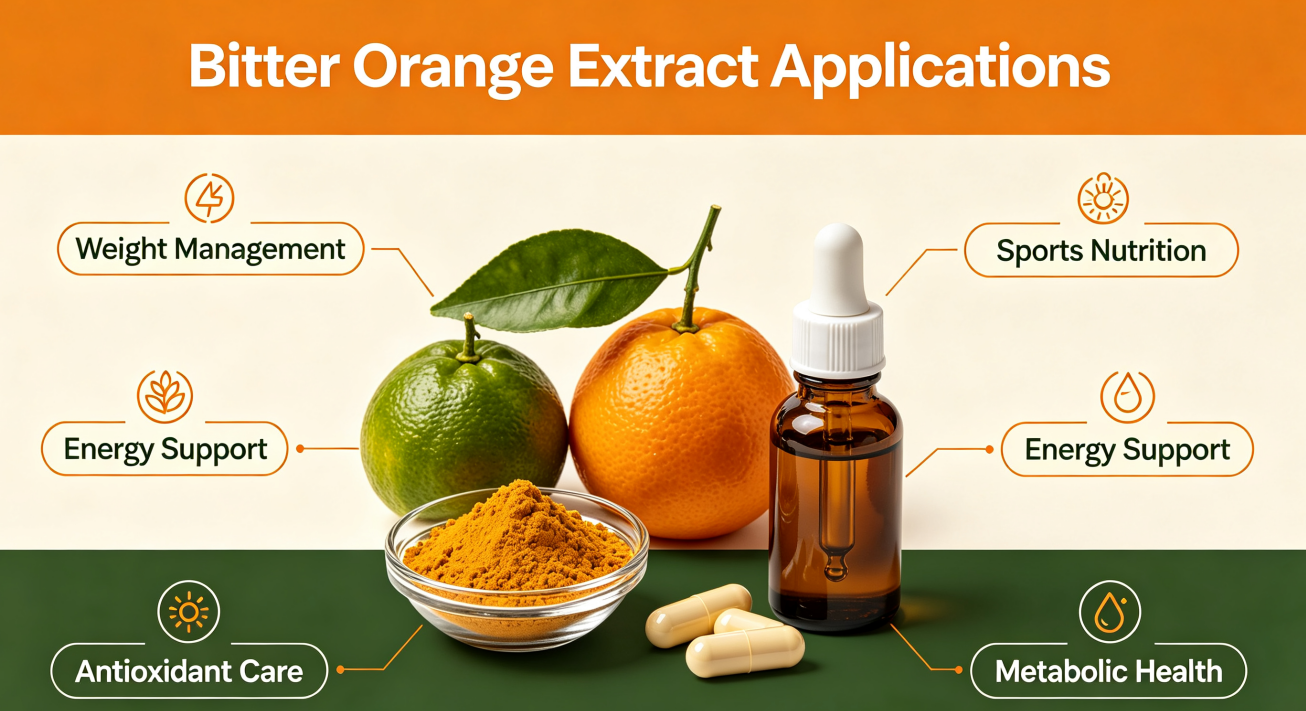
1.Metabolic & Weight Management Supplements
- Elevates resting metabolic rate (3–7% increase in clinical data)
- Enhances fat oxidation for body composition formulas
2.Sports Nutrition & Energy Products
- Ergogenic support for training energy availability
- Mild stimulant effect without strong caffeine-like jitters
- Fat-loss focused pre-workout and body shaping stacks
3.Antioxidant & Metabolic Support Formulations
-
Citrus flavonoids reduce oxidative stress
-
Hesperidin supports endothelial and vascular health
-
Auxiliary ingredient for glucose metabolism supportive blends
Quality & Sourcing Standards
-
Select fixed standardized grade: 6% synephrine is the most stable for mass production
-
Require full COA, HPLC chromatogram, heavy metal & microbial test reports
-
Prioritize supercritical CO₂ extraction for low residual solvent purity
Mechanism of Action
1.The extract’s effects operate through multiple pathways
- β-3 Adrenergic Receptor Agonism: Synephrine stimulates receptors involved in lipolysis
- Mild α-1 Adrenergic Activity: May contribute to vascular effects
- Catecholamine-like Structure: Similar enough to endogenous neurotransmitters to produce metabolic effects
- Flavonoid Synergy: Modulating absorption and mitigating oxidative stress
2.Evidence-Based Applications:Weight Management Support
- Thermogenic Effects: Clinical studies demonstrate modest increases in resting metabolic rate (typically 3-7% above baseline)
- Lipolytic Activity: Enhanced fat oxidation observed in some controlled trials
- Appetite Modulation: Mixed evidence, with some studies suggesting mild satiety enhancement
- Exercise Performance: Potential ergogenic benefits through increased energy availability
3.Energy and Cognitive Support
- Mild Stimulation: Provides alertness without caffeine-like jitteriness in sensitive individuals
- Fatigue Reduction: Demonstrated in studies measuring subjective energy levels
- Focus Enhancement: Some evidence for improved concentration during demanding tasks
4.Antioxidant and Metabolic Benefits
- Oxidative Stress Reduction: Flavonoids provide significant free radical scavenging
- Glucose Metabolism: Preliminary research suggests potential insulin-sensitizing effects
- Cardiovascular Support: Hesperidin demonstrates endothelial-protective properties
Conclusion: Balanced Perspective on a Complex Botanical
Bitter orange extract represents a sophisticated botanical intervention with demonstrated metabolic benefits and legitimate safety considerations. Its value lies not as a “magic bullet” but as a carefully employed tool within comprehensive health strategies. The future of this ancient remedy in modern nutrition depends on continued research, responsible manufacturing, and educated application—honoring both its traditional heritage and contemporary scientific understanding.
Ready to try Bitter Orange Extract for your business? Contact us at info@xianherb.com for a free sample or wholesale price list.
Leave A Comment