
Introduction: A Citrus with Dual Identity
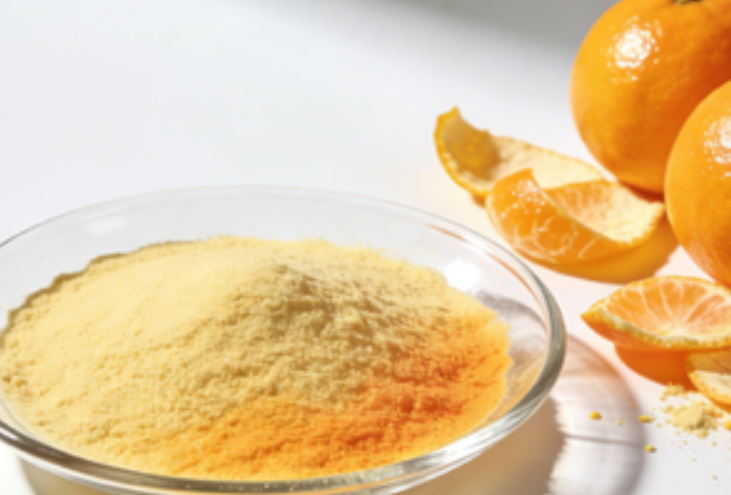
Bitter orange extract, derived from Citrus aurantium (also known as Seville orange), represents one of modern nutrition’s most complex botanical compounds. Originating in Southeast Asia and later cultivated throughout the Mediterranean, this ancient citrus carries both traditional medicinal significance and contemporary scientific controversy. While historically valued in Traditional Chinese Medicine as “Zhi Shi” for digestive support, its modern application centers on the alkaloid synephrine, positioning it at the intersection of natural weight management and cardiovascular safety debates.
Historical Context and Traditional Wisdom
The bitter orange tree has served humanity for centuries in multiple capacities:
Traditional Medicine: Used in Chinese pharmacopeia for over a millennium to address digestive stagnation and regulate Qi
Cultural Significance: Symbolized fertility and prosperity in Mediterranean cultures
Culinary Application: Marmalade’s distinctive flavor originates from Seville oranges
Aromatic Legacy: Neroli oil (from blossoms) and petitgrain (from leaves) remain prized in perfumery
The modern extract emerged prominently in the early 2000s following the ban on ephedra-containing supplements, as manufacturers sought “natural” alternatives with similar thermogenic properties.
Biochemical Profile: Beyond Simple Stimulation
Bitter orange extract contains a sophisticated matrix of bioactive compounds:
Primary Active Constituents:
Synephrine (p-Synephrine): The predominant alkaloid (typically 4-8% in quality extracts)
Octopamine and N-Methyltyramine: Secondary amines with adrenergic activity
Flavonoid Complex: Hesperidin, naringin, and neohesperidin providing antioxidant benefits
Essential Oils: Limonene and other terpenes contributing to aroma and mild effects
Vitamin C and Polyphenols: Supporting overall nutritional value
Mechanism of Action:
The extract’s effects operate through multiple pathways:
β-3 Adrenergic Receptor Agonism: Synephrine stimulates receptors involved in lipolysis
Mild α-1 Adrenergic Activity: May contribute to vascular effects
Catecholamine-like Structure: Similar enough to endogenous neurotransmitters to produce metabolic effects
Flavonoid Synergy: Modulating absorption and mitigating oxidative stress
Evidence-Based Applications: What Science Reveals
Weight Management Support:
Thermogenic Effects: Clinical studies demonstrate modest increases in resting metabolic rate (typically 3-7% above baseline)
Lipolytic Activity: Enhanced fat oxidation observed in some controlled trials
Appetite Modulation: Mixed evidence, with some studies suggesting mild satiety enhancement
Exercise Performance: Potential ergogenic benefits through increased energy availability
Energy and Cognitive Support:
Mild Stimulation: Provides alertness without caffeine-like jitteriness in sensitive individuals
Fatigue Reduction: Demonstrated in studies measuring subjective energy levels
Focus Enhancement: Some evidence for improved concentration during demanding tasks
Antioxidant and Metabolic Benefits:
Oxidative Stress Reduction: Flavonoids provide significant free radical scavenging
Glucose Metabolism: Preliminary research suggests potential insulin-sensitizing effects
Cardiovascular Support: Hesperidin demonstrates endothelial-protective properties
Safety Profile: Navigating the Controversy
Cardiovascular Considerations:
Blood Pressure Effects: Most studies show minimal impact at recommended doses, but case reports exist of hypertensive responses
Heart Rate: Modest increases (3-8 bpm) observed in some individuals
Drug Interactions: Potential concerns with MAOIs, certain antidepressants, and stimulant medications
Individual Variability: Genetic factors affecting adrenergic receptor sensitivity may influence responses
Quality and Purity Concerns:
Synephrine Standardization: Products vary from 4-8% synephrine content
Adulteration Risks: Some products contain undeclared caffeine or other stimulants
Extraction Methods: Supercritical CO₂ extraction preferred for purity
Third-Party Verification: Essential for confirming label claims and contaminant absence
Clinical Research Summary:
Short-Term Studies: Generally support safety at doses up to 50mg synephrine daily
Long-Term Data: Limited, necessitating caution with extended use
Population-Specific Research: Most studies involve healthy adults; data lacking for sensitive populations
Practical Application and Responsible Use
Recommended Protocols:
Standardized Dosing: 20-40mg synephrine daily, typically from 250-500mg of 6% extract
Administration Timing: Morning or early afternoon to avoid sleep disruption
Cycling Strategy: 4-6 weeks continuous use followed by 2-week breaks
Hydration Emphasis: Adequate water intake essential for metabolic processes
Synergistic Combinations:
With Green Tea Extract: Enhanced thermogenesis through complementary mechanisms
With Caffeine: Potentially amplified effects but increased cardiovascular monitoring needed
With Chromium: Support for glucose metabolism and insulin function
With Soluble Fiber: Appetite regulation and digestive health support
Contraindications and Precautions:
Absolute Contraindications: Cardiovascular conditions, hypertension, pregnancy/nursing
Relative Contraindications: Anxiety disorders, thyroid conditions, stimulant sensitivity
Medication Interactions: Numerous potential interactions requiring professional consultation
Age Restrictions: Not recommended under age 18 or over 65 without medical supervision
Market Analysis and Quality Standards
Current Product Landscape:
Supplement Forms: Capsules, tablets, powders, and liquid extracts
Combination Products: Frequently included in weight management and energy formulas
Quality Variation: Significant differences in standardization and purity
Regulatory Status: Varies by country, with some regions implementing specific restrictions
Quality Assessment Criteria:
Standardization Level: Minimum 6% synephrine content for consistency
Purity Verification: Absence of heavy metals, pesticides, and microbial contaminants
Manufacturing Standards: GMP certification and transparent supply chain
Independent Testing: Third-party verification of all label claims
Future Directions and Research Needs
Emerging Applications:
Metabolic Syndrome: Potential role in comprehensive management protocols
Sports Nutrition: Optimization of body composition in athletic populations
Cognitive Health: Exploration of nootropic potential
Geriatric Nutrition: Addressing age-related metabolic decline
Research Priorities:
Long-Term Safety Studies: Comprehensive evaluation of extended use
Mechanistic Elucidation: Detailed understanding of receptor interactions
Personalized Approaches: Genetic factors influencing individual responses
Synergistic Formulations: Optimal combinations with other botanicals
Responsible Integration into Health Protocols
Professional Guidance Framework:
Medical Supervision: Essential for individuals with health conditions
Dose Titration: Gradual introduction with careful monitoring
Regular Assessment: Ongoing evaluation of efficacy and tolerability
Holistic Approach: Integration with diet, exercise, and lifestyle factors
Consumer Education Priorities:
Realistic Expectations: Understanding modest, gradual effects
Safety Awareness: Recognizing warning signs and contraindications
Quality Discernment: Selecting properly standardized products
Comprehensive Strategy: Viewing as one component of overall health
Conclusion: Balanced Perspective on a Complex Botanical
Bitter orange extract represents a sophisticated botanical intervention with demonstrated metabolic benefits and legitimate safety considerations. Its value lies not as a “magic bullet” but as a carefully employed tool within comprehensive health strategies. The future of this ancient remedy in modern nutrition depends on continued research, responsible manufacturing, and educated application—honoring both its traditional heritage and contemporary scientific understanding.
Professional-Grade Bitter Orange Extract Solutions
We provide thoroughly tested, consistently standardized bitter orange extract with complete transparency regarding synephrine content and purity markers. Contact our technical team for comprehensive documentation, formulation support, and safety guidance tailored to your product development needs.




Leave A Comment