
Introduction
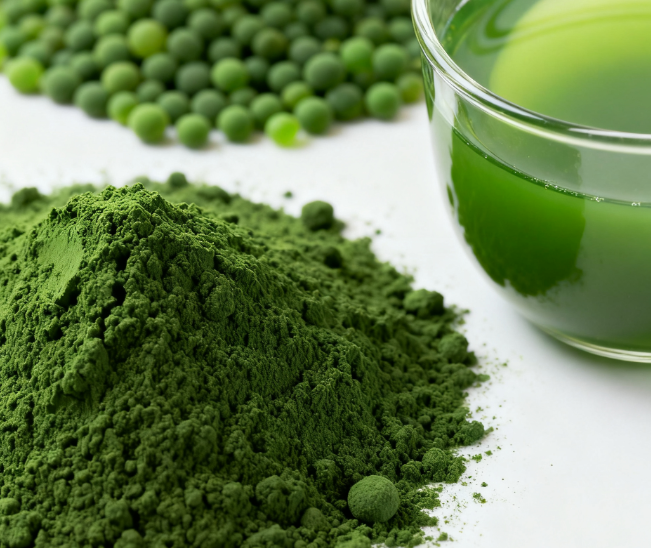
Chlorella pyrenoidosa, commonly known as chlorella, is a single-celled freshwater green algae often classified as a “superfood.” Rich in protein, fats, carbohydrates, fiber, chlorophyll, vitamins, and minerals, it’s extensively cultivated in regions like Japan and Taiwan and sold globally in tablet, powder, and liquid extract forms.
1. Primary Uses and Effectiveness
Possibly Effective Uses:
-
Iron Supplementation During Pregnancy: Chlorella contains measurable iron content. Oral supplementation may help reduce the risk of iron-deficiency anemia during pregnancy. Research suggests starting intake during the second trimester and continuing for up to 28 weeks may support iron level maintenance.
Uses Requiring More Research:
While chlorella is popularly used for various conditions, more scientific evidence is needed to confirm effectiveness for:
-
Depression and mood disorders
-
Menstrual cramp relief
-
Fibromyalgia symptom management
-
Cholesterol reduction
-
Immune system enhancement
-
Detoxification protocols
2. Nutritional Profile
Chlorella’s nutritional composition varies based on cultivation and processing methods:
-
Protein: 7-88% of dry weight
-
Carbohydrates: 6-38% including beneficial fibers
-
Fats: 7-75% including essential fatty acids
-
Chlorophyll: Exceptionally high concentration
-
Vitamins: Particularly rich in B-complex vitamins
-
Minerals: Good source of iron, magnesium, and zinc
3. Safety Profile and Side Effects
Oral Consumption:
-
Generally Safe: For periods of 2-3 months
-
Common Side Effects: Include diarrhea, nausea, gas, green-colored stools, and stomach cramping
-
Photosensitivity: May increase skin sensitivity to sunlight; sun protection recommended
Topical Application:
-
Insufficient Data: Limited reliable information exists regarding skin application safety
4. Special Precautions
-
Pregnancy: Possibly safe for up to 28 weeks starting in second trimester
-
Breastfeeding: Insufficient safety data; recommend avoidance
-
Mold Allergies: May trigger reactions in individuals with mold allergies
-
Compromised Immunity: Use caution as chlorella might promote bacterial overgrowth in immunocompromised individuals
5. Drug Interactions
Moderate Interactions:
-
Warfarin (Coumadin): Contains significant vitamin K that may reduce warfarin’s anticoagulant effects
-
Photosensitizing Medications: May amplify sun sensitivity when combined with these drugs
6. Recommended Dosage
General Guidelines:
-
Adults: 3-10 grams daily orally for 2-3 months
-
Individual Adjustment: Consult healthcare providers for personalized dosing
Quality Considerations:
Product quality varies significantly based on:
-
Cultivation methods (open ponds vs. closed systems)
-
Harvesting techniques
-
Processing standards (especially cell wall disruption)
-
Third-party testing for contaminants
7. Purchasing and Quality Assessment
Key Purchase Considerations:
-
Source Transparency: Prefer products with clear origin information
-
Processing Methods: Look for “cracked cell wall” processing for better nutrient absorption
-
Third-Party Testing: Verify products are tested for heavy metals and contaminants
-
Certifications: Consider organic and quality assurance certifications
Common Product Forms:
-
Tablets: Convenient for precise dosing
-
Powder: Versatile for smoothies and recipes
-
Liquid Extracts: Alternative for those preferring liquid supplements
8. Consumer Guidance
Starting Chlorella Supplementation:
-
Begin with lower doses (1-2 grams daily)
-
Gradually increase to desired dosage
-
Monitor for digestive side effects
-
Maintain adequate hydration
-
Use sun protection when outdoors
Storage Recommendations:
-
Store in cool, dry conditions
-
Protect from direct sunlight
-
Use airtight containers
-
Follow manufacturer’s expiration guidelines
Conclusion
Chlorella pyrenoidosa represents a nutrient-dense supplement with particular relevance for pregnancy-related iron support. While traditional use and preliminary research suggest broader applications, more rigorous scientific studies are needed to fully understand its therapeutic potential.
As with any supplement, quality sourcing, proper dosing, and awareness of potential interactions are crucial for safe and effective use. Consumers should approach chlorella as one component of a balanced nutritional approach rather than a standalone solution for health concerns.
Interested in Premium Quality Chlorella Pyrenoidosa?
Contact us for product samples, technical specifications, and formulation support. Our chlorella products undergo rigorous quality control and third-party testing to ensure purity and potency for your manufacturing needs.




Leave A Comment