
What Is Konjac Extract?
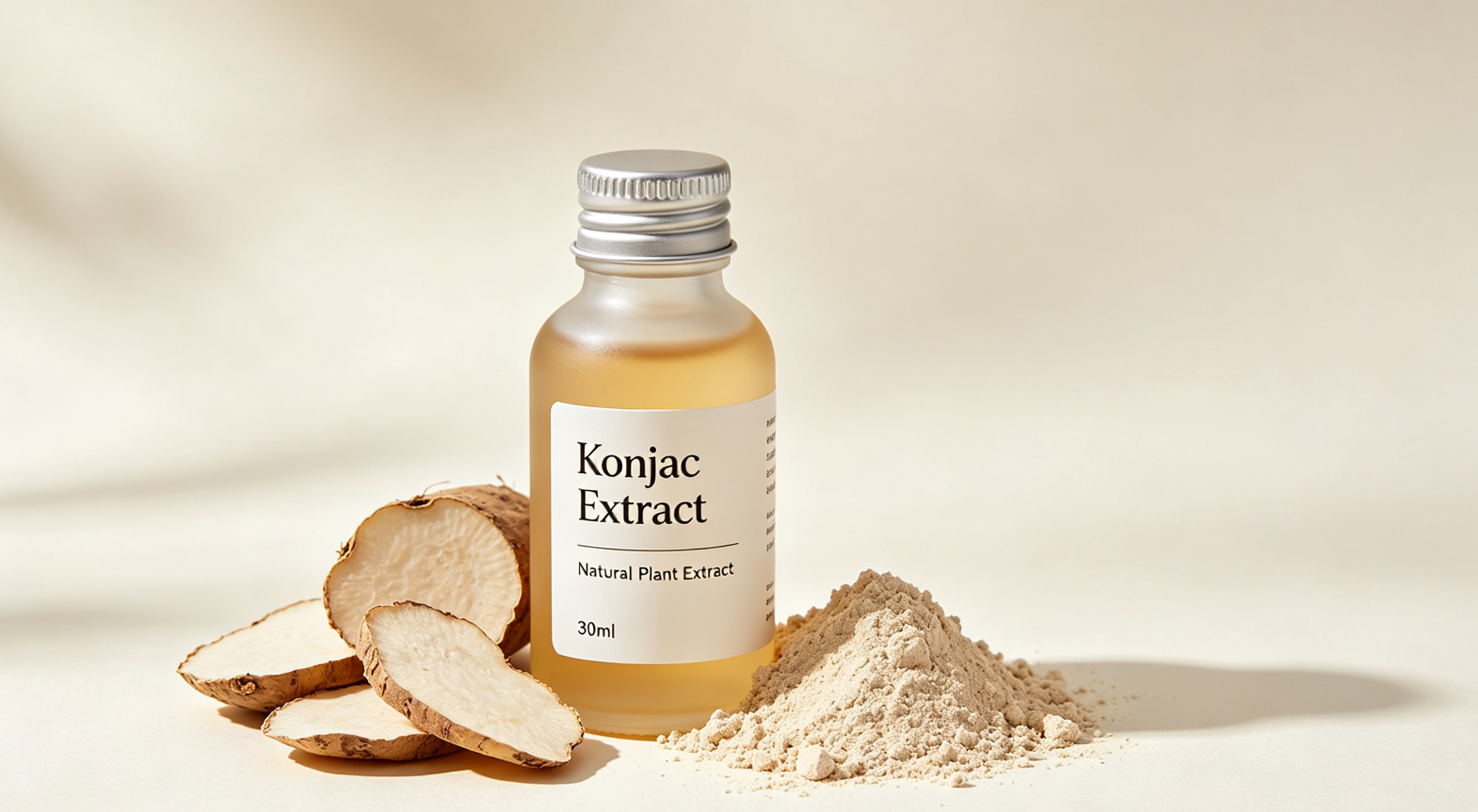
Konjac Extract is a concentrated botanical ingredient derived from the tubers of Amorphophallus konjac, a perennial plant native to Southeast Asia that has been used in traditional Chinese and Japanese medicine and cuisine for over 2,000 years . The extract is primarily valued for its glucomannan content—a water-soluble dietary fiber polysaccharide that can absorb up to 50 times its weight in water, forming a gel-like substance .
In commercial production, konjac extract is available in multiple standardized forms. The most common specifications range from 40% to 90% glucomannan content, with powder extracts typically processed to 80–100 mesh particle size. For beverage and supplement applications, high-purity grades (≥80%) are preferred for their superior solubility and formulation flexibility. The extract also contains glycosylceramides, which have been clinically studied for their skin health benefits, making konjac a rare ingredient that serves both internal wellness and beauty-from-within applications .
Core Benefits of Konjac Extract
Konjac extract contains active glucomannan that serves as the primary bioactive marker. Most clinical-grade extracts are standardized to specific glucomannan content, with common commercial specifications ranging from 40% to 90% purity, verified by UV or HPLC testing.
For weight management and satiety, konjac glucomannan has been extensively studied for its ability to promote a feeling of fullness. When consumed, it absorbs water and expands in the digestive tract, forming a viscous gel that delays gastric emptying and reduces caloric intake . A double-blind randomized controlled trial reported significantly greater weight loss in the treatment group compared to placebo .
For metabolic health and blood sugar control, KGM has demonstrated remarkable benefits in stabilizing blood glucose levels. By slowing gastric emptying and regulating sugar absorption rates, it helps manage postprandial glucose spikes . Studies on type-2 diabetic rats showed that KGM improved glucose tolerance, controlled blood glucose, and protected the pancreas from oxidative stress . Research has also confirmed its role in reducing total cholesterol, LDL cholesterol, and triglyceride levels .
For gut health and digestive wellness, KGM serves as a prebiotic fiber that resists digestion in the upper gastrointestinal tract and reaches the colon intact. In the colon, it serves as a fermentable substrate for intestinal microorganisms, contributing to the production of short-chain fatty acids (SCFAs) and promoting the growth of beneficial bacteria . This mechanism supports regular bowel movements, prevents constipation, and maintains healthy gut flora .
For skin health and beauty-from-within, konjac extract contains glycosylceramides (phytoceramides) that are chemically identical to those found in human skin. A six-week, placebo-controlled clinical trial demonstrated that daily oral intake of 100 mg konjac extract (containing 5 mg glycosylceramides) significantly decreased skin dryness, hyperpigmentation, redness, itching, and oiliness . The improvement was time-dependent and continued throughout the study period, with no adverse events reported . These findings position konjac extract as a valuable ingredient for nutricosmetic formulations.
For anti-inflammatory and immune support, emerging research highlights KGM’s anti-inflammatory and immune-regulatory effects, with potential applications in managing inflammatory bowel disease and other inflammatory conditions . The polysaccharide has also demonstrated antitumor activity in preclinical studies .
Main Applications & Uses of Konjac Extract
Thanks to its versatile bioactive profile and functional properties, konjac extract has become a popular bulk botanical ingredient for global B2B manufacturers across multiple industries.
In dietary supplements, konjac extract is most commonly used in weight management, metabolic health, and digestive wellness formulations. It is available in capsules, tablets, and powder sachets, with typical standardized dosages ranging from 500 to 2,000 milligrams per serving, depending on the glucomannan specification. It is often combined with other metabolic-support ingredients such as green tea extract, chromium, or Garcinia cambogia to create comprehensive wellness blends.
In functional foods and beverages, konjac extract serves as both a texture modifier and a fortifying ingredient. Its high viscosity and water-holding capacity make it valuable for protein bars, meal replacement shakes, and functional drinks. For beverage applications, high-purity grades (≥80%) with enhanced solubility are preferred to maintain product clarity and mouthfeel . The ingredient’s ability to form thermally reversible gels also makes it suitable for jellies, yogurts, and dairy alternatives .
In the food industry, konjac flour and gum are widely used as thickeners, gelling agents, stabilizers, and emulsifiers . Common applications include:
-
Confectionery: Texture improvement, moisture enhancement, and viscosity control
-
Meat products: As a fat replacer and water binder in low-fat and fat-free formulations
-
Noodles and pasta: For improved texture and water-holding capacity
-
Edible films: Water-soluble and water-insoluble film applications
In cosmetics and personal care, konjac extract’s antioxidant and moisturizing properties support its use in skincare formulations. The glycosylceramide content makes it particularly valuable for anti-aging and skin barrier-support products, especially those positioned around the “beauty-from-within” concept .
Technical Specifications & Sourcing Guide
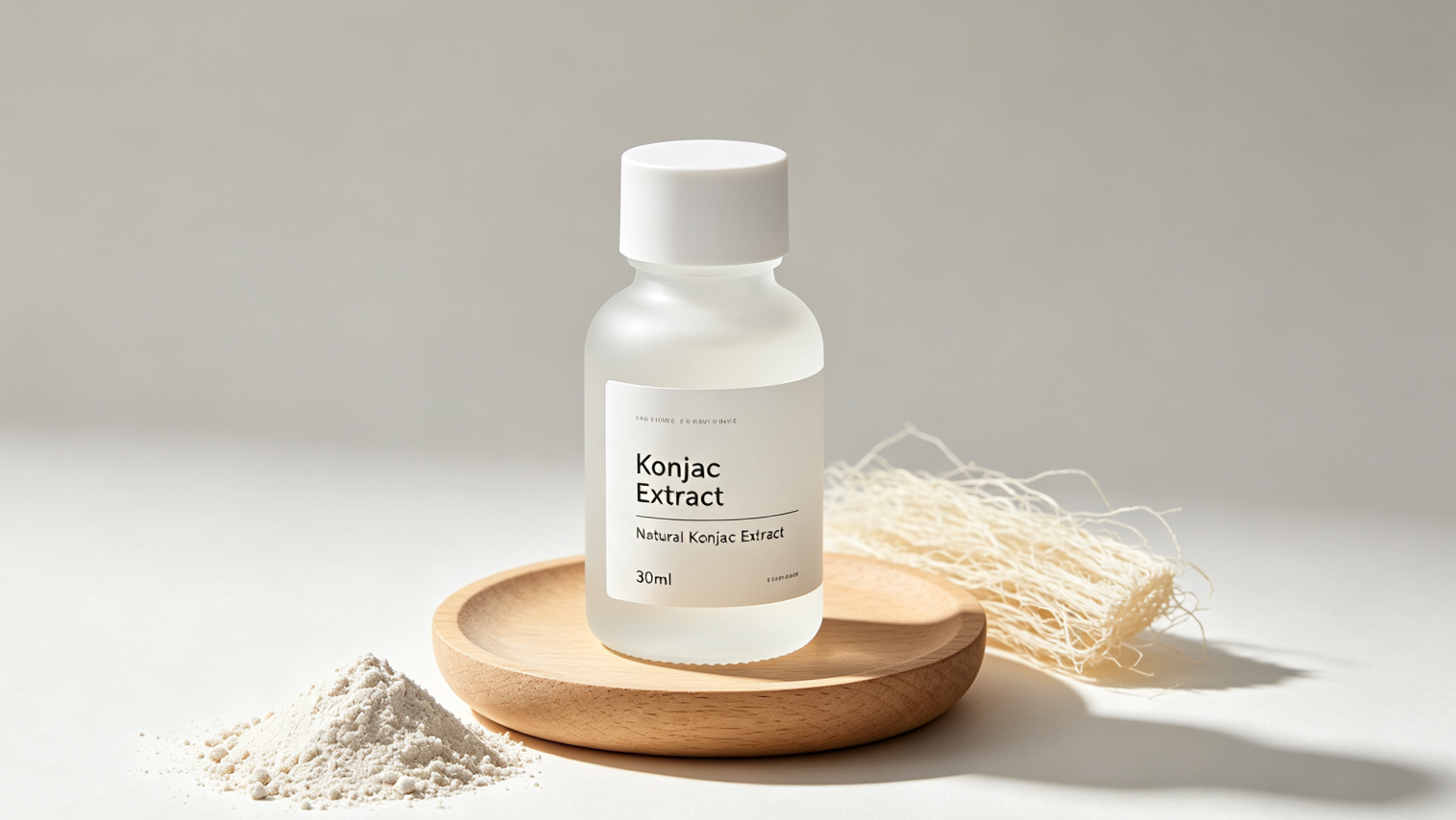
For professional buyers, the key specifications to verify include glucomannan content, which typically ranges from 40% to 90% purity for standardized powder forms, verified by UV or HPLC testing. The extract is available in powder and granule forms, with powder typically processed to 80–100 mesh particle size. Viscosity (measured at 1% solution) is a critical quality parameter, with high-grade products reaching up to 35,000 mPa·s . Heavy metal content should be below 10 parts per million, and microbial counts should meet USP standards.
The sourcing and processing of konjac extract requires careful attention. The plant is primarily cultivated in Asia, particularly in China’s Sichuan, Guangdong, and Shandong provinces, as well as in Japan . Leading suppliers maintain vertically integrated supply chains to ensure consistent quality, competitive pricing, and reliable availability. Extraction methods include water extraction, alkaline extraction, and enzymatic hydrolysis, with each affecting the final product’s purity and bioactivity profile .
Safety & Regulatory Status
Konjac extract is generally recognized as safe (GRAS) and has been evaluated extensively by global food safety authorities, including EFSA, FDA, and JECFA . It is classified as E425 in the European food additive system, supporting standardized labeling and compliance across international markets .
Important considerations for downstream manufacturers include that konjac extract is a highly water-absorbent fiber; recommended usage levels should be monitored to avoid gastrointestinal discomfort such as bloating, flatulence, or abdominal distension in susceptible individuals . Products formulated with konjac extract should include appropriate hydration guidance, especially for solid supplement forms.
The extract should not be used in formulations for individuals with difficulty swallowing, as the gel-forming properties could pose a choking hazard if not properly hydrated. It is also recommended to avoid use during pregnancy and breastfeeding without medical supervision. Konjac extract is generally well-tolerated, with no significant toxicity observed in clinical studies .
Why Choose Our Konjac Extract
As a professional botanical extract manufacturer, we focus on the research and development, standardized production, and bulk wholesale of plant-based ingredients, serving global nutraceutical, functional food, and pharmaceutical enterprises with stable, high-quality raw material solutions.
We guarantee superior and stable product quality through premium raw material sourcing from established cultivation regions in China, advanced extraction technologies, and comprehensive third-party testing. Our products are available in multiple specifications, including 40%, 70%, 80%, and 90% glucomannan purity grades, with customized viscosity and particle size options available to match different customer formulation systems and product positioning. All products are supplied with complete COA, MSDS, and third-party test reports for heavy metals, microbials, and pesticide residues.
We maintain sufficient factory supply capacity through GMP, ISO, and HACCP-certified facilities. We can stably undertake small trial orders and large-scale long-term bulk orders, with flexible lead times and reliable supply. All products are export-ready with full documentation to support smooth customs clearance and market inspection.
We provide one-stop professional B2B services, including free sample testing for global buyers, professional formulation guidance to help customers optimize product formulas, and flexible global logistics schemes. With competitive wholesale pricing and reliable after-sales support, we meet the diverse procurement needs of startups and large manufacturers.
Ready to try for Konjac Extract your business? Contact us at info@xianherb.com for a free sample or wholesale price list.
Leave A Comment