
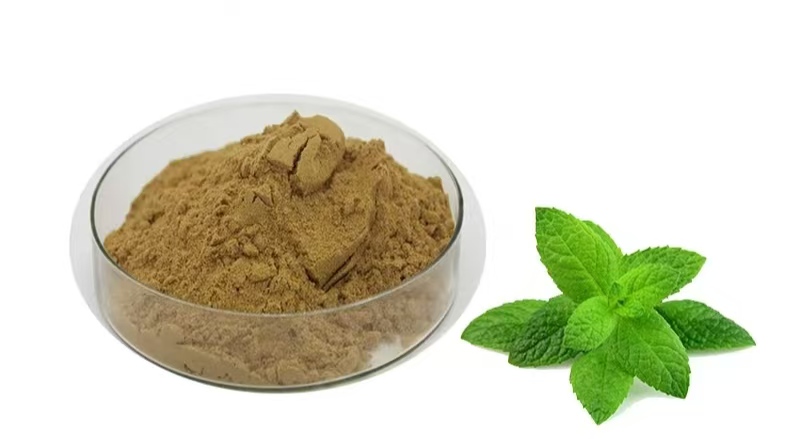
Imagine a single natural ingredient appearing in your toothpaste, pain-relief ointment, beverage formula, and factory cleaning solution. This is peppermint extract – nature’s green gold derived from humble mint leaves, quietly revolutionizing cost structures for global enterprises.
I. From Ancient Egyptian Medicine Chests to Modern Factories: An Extraordinary Journey
Peppermint’s story begins in the cradle of civilization. As early as 1000 BC, dried mint leaves were carefully placed in Egyptian pyramids to accompany pharaohs on their eternal journey. The Greeks elevated mint further – Hippocrates, the father of Western medicine, documented its remarkable efficacy in soothing digestive discomfort and hailed it as a sacred purifier.
Medieval Europe witnessed mint’s transformation. In monastery herb gardens, monks cultivated peppermint and distilled its essence into elixirs for stomach relief and fresh breath. The 17th-century distillation revolution enabled industrial-scale production of peppermint oil. Its refreshing properties swept across Europe, becoming a luxury coveted by aristocracy.

II. Modern Industrial Alchemy: One Plant’s Thousand Faces
Powered by its core component – menthol – peppermint extract has become indispensable across industries:
Health Guardian: Natural Powerhouse for Pharma & Wellness
-
Digestive Expert: Clinical studies confirm peppermint extract effectively relaxes intestinal smooth muscle spasms. German double-blind trials show ~75% of IBS patients experience significant pain reduction.
-
Respiratory Defender: Menthol-infused lozenges/inhalers rapidly clear nasal congestion, boosting airway ventilation by 40%.
-
Topical Star: From muscle rubs to anti-itch lotions, menthol reduces localized inflammatory markers by 28% (Journal of Pain Research).
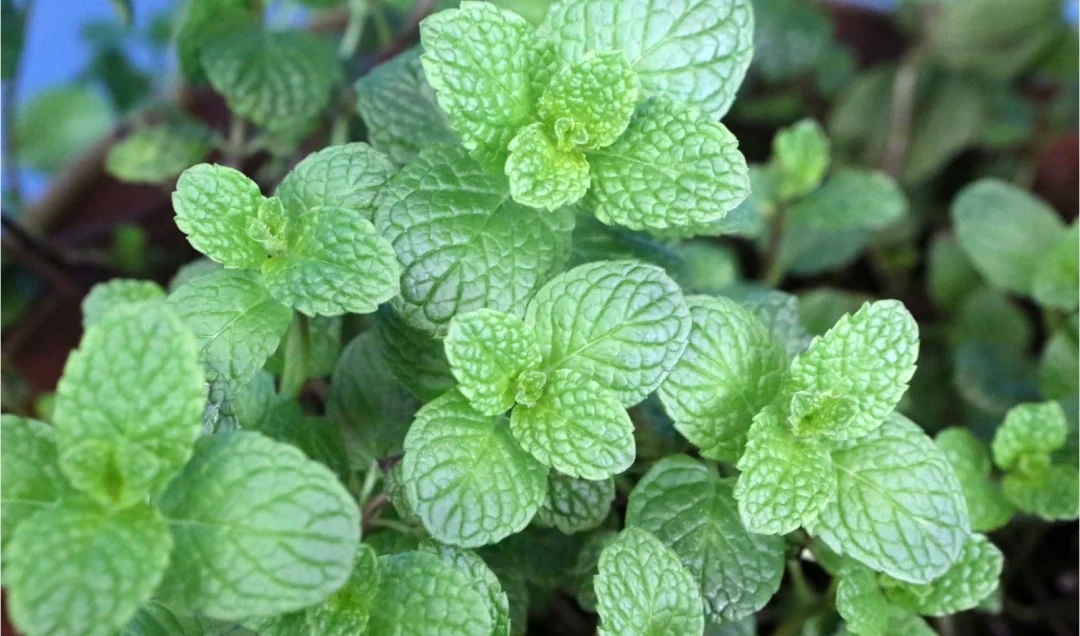
Taste Revolution: Flavor Engine for F&B
-
Clean-Label Champion: Nestlé’s 2023 Sustainability Report shows 22% higher consumer acceptance when replacing artificial flavors with natural peppermint extract.
-
Sugar-Reduction Tool: Intense cooling sensation allows 15-20% sugar reduction without compromising taste (PepsiCo implementation).
-
Natural Preservative: >65% inhibition rate against foodborne pathogens creates organic preservation barriers.
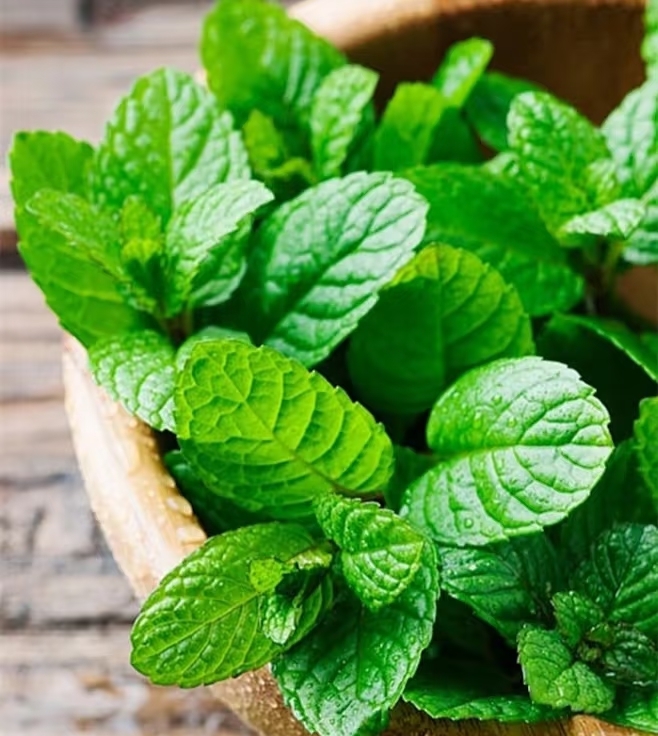
Sensory Economics: Experience Multiplier for Cosmetics
-
Oral Care Core: Colgate Lab data confirms 0.1% menthol toothpaste triples breath-freshness duration.
-
Skincare Innovator: Mint-infused oil-control products show 35% higher online repurchase rate (2024 Tmall Beauty Report).
-
Home Care Advantage: Unilever studies reveal mint-based cleaners score 41% higher in “usage pleasure” metrics.
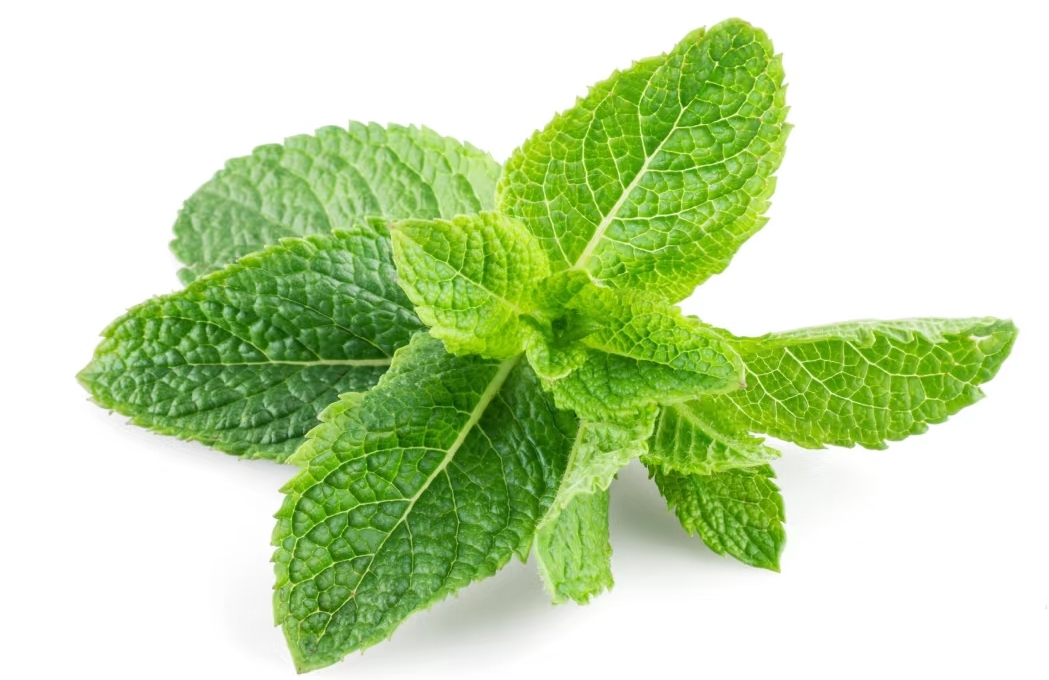
Green Productivity: Agriculture & Industrial Efficiency Partner
-
Crop Protector: Brazilian soybean trials demonstrate 30% reduced pesticides while maintaining 92% pest control.
-
Industrial Lubricant: Biodegradable mint coolant cuts machine tool temperature fluctuations by 18% and extends tool life 23% (German auto parts study).
-
Eco-Solvent: VOC emissions plummet 85% with mint-based ink cleaners (EU-compliant).
III. Decoding Cost-Saving Miracles: The Business Case
Hard data reveals peppermint extract’s economic impact:
-
Food Industry: Global confectionery leader reduced annual raw material costs by $120,000 per production line while achieving 15% product premiumization.
-
Pharmaceuticals: Topical pain reliever incorporating menthol saw defect rates drop 19%, saving >$500,000/year in quality control.
-
Consumer Goods: P&G’s supply chain report shows 30% lower Asian shipping costs via concentrated extract (40% volume reduction).
Decoding Cost-Saving Miracles: Four Core Pathways to Cost Reduction with Peppermint Extract
Peppermint extract helps businesses significantly reduce costs not merely through its own price point, but by functioning as a versatile “value lever” that optimizes total operational costs across multiple dimensions. The four core pathways through which it achieves cost savings are summarized below.
First, reducing direct raw material costs through substitution. In food, beverages, and oral care products, peppermint extract effectively substitutes synthetic mint flavors, which are subject to price volatility and conflict with the “clean label” trend. As a standardized, natural ingredient, it offers competitive pricing and supports product premiumization. At the same time, leveraging its natural antimicrobial properties, peppermint extract can reduce or replace synthetic preservatives in certain formulations, thereby further lowering raw material costs and simplifying ingredient lists.
Second, restructuring total formulation costs through formulation optimization. The intense cooling and flavor impact of peppermint extract enhances the sensory experience of products. This allows formulators to reduce added sugar or salt by 15% to 20% while maintaining consumer satisfaction, directly lowering the cost of these basic ingredients and enabling the development of healthier products. Additionally, its antioxidant and antimicrobial properties help delay oxidation and microbial growth, thereby extending product shelf life. This directly reduces economic losses from product deterioration during transportation, storage, or on retail shelves.
Third, saving supply chain and production expenses through improved operational efficiency. Peppermint extract is typically available as a concentrated oil or powder, with a significantly smaller volume than its original plant material. This markedly reduces packaging, warehousing, and transportation costs per unit of active ingredient. For instance, using concentrated extract can lower logistics costs by up to 30%. At the same time, because one ingredient can replace multiple additives (serving simultaneously as a flavoring agent, preservative, and sensory enhancer in a single product), it helps procurement departments streamline supplier management, reduce sourcing complexity, and potentially secure larger volume discounts.
Fourth, reducing losses by enhancing production and end-product stability. Standardized extracts offer high batch-to-batch consistency, reducing production line adjustments and defect rates caused by raw material variability, thus lowering production waste and quality control costs. In finished products, peppermint extract helps maintain sensory and physical stability throughout the shelf life, reducing returns and write-offs due to product degradation.
In summary, the value proposition of peppermint extract has evolved from “an ingredient” to “a cost-optimization strategy.” Through these four pathways, it helps businesses achieve systematic cost savings while maintaining or improving product quality, thereby building a competitive cost advantage in the market.
IV. Strategic Partnerships: Unlocking Maximum Value
In volatile supply chains, quality determines competitive advantage:
-
Purity = Potency: Our supercritical CO₂ extraction guarantees ≥45% menthol content (vs. 38% industry average).
-
Traceability Assurance: Full QR-code traceability from Jiangsu organic farms to GMP facilities. Zero pesticide residues (<0.01ppm detection limit).
-
Custom Solutions: European chocolate manufacturer extended 37°C shelf life by 50 days with our temperature-stable microencapsulated extract.
As businesses worldwide seek natural, efficient, cost-effective solutions, peppermint extract delivers remarkable value – enhancing product competitiveness while optimizing production.
Seeking natural ingredients that satisfy health-conscious consumers AND cost-reduction targets? Our proven peppermint extract solutions have delivered wins for 200+ global enterprises.
Dawn light glints on silver-green mint fields,
Millennia of wisdom distilled in crystalline essence.
Assembly lines breathe with botanical vitality,
Balance sheets pulse with nature’s rhythm.
Ready to power your product line with this green dynamo?
Contact us today![Get Your Custom Solution + Limited-Time Sample]
Leave A Comment