
Introduction
Free radical oxidation is associated with cellular aging, skin deterioration and sub-health conditions across the human body. Among natural antioxidant carotenoids, lycopene stands out as a potent singlet oxygen quencher. This blog first breaks down the core antioxidant science in plain, easy-to-read language, then expands critical B2B purchasing knowledge covering raw material sources, mainstream commercial specifications, cross-industry application advantages, and global compliance references for ingredient buyers, supplement brands, food manufacturers and cosmetic formulators.
Oxidation VS Antioxidation
The formation of oxygen free radicals: the organism metabolizes, seizing an electron in the oxygen atom, turning the oxygen atom into a free radical, which can only seize electrons from other molecules to replenish the lost electrons. When the electrons in the cell wall molecules are seized, a chain reaction will be formed, resulting in the fission of the cell membrane. The more distorted molecules, the more damage the cells will suffer. When the skin cells are injured, the skin is rough; if the organ cells are damaged, it may cause disease.
Antioxidation: antioxidation is the fight against oxygen free radicals to seize electrons from other molecules or cell membranes.
Antioxidants: the role of antioxidants is to provide the electrons needed by free radicals, end dangerous chain reactions, and scavenge free radicals.
The Core Mechanism of Antioxidation
Classification & Sources of Antioxidants
- Endogenous Enzyme Antioxidant System (Produced by Human Body):Core components: Superoxide Dismutase (SOD), Glutathione, Catalase (CAT), Selenium-containing Glutathione Peroxidase (GSH-PX). Internal antioxidant capacity declines naturally with age.
- Exogenous Nutrient Antioxidants (Intake via Food & Supplements):Widely used mainstream ingredients: Vitamin C, Vitamin E, Vitamin A, carotenoids (β-carotene, lycopene, astaxanthin), plant polyphenols, Coenzyme Q10. These external nutrients are the most reliable way to supplement long-term antioxidant defense.
2.Natural Dietary Sources of Antioxidants
- Green leafy vegetables: lettuce, celery, rape (high overall antioxidant activity)
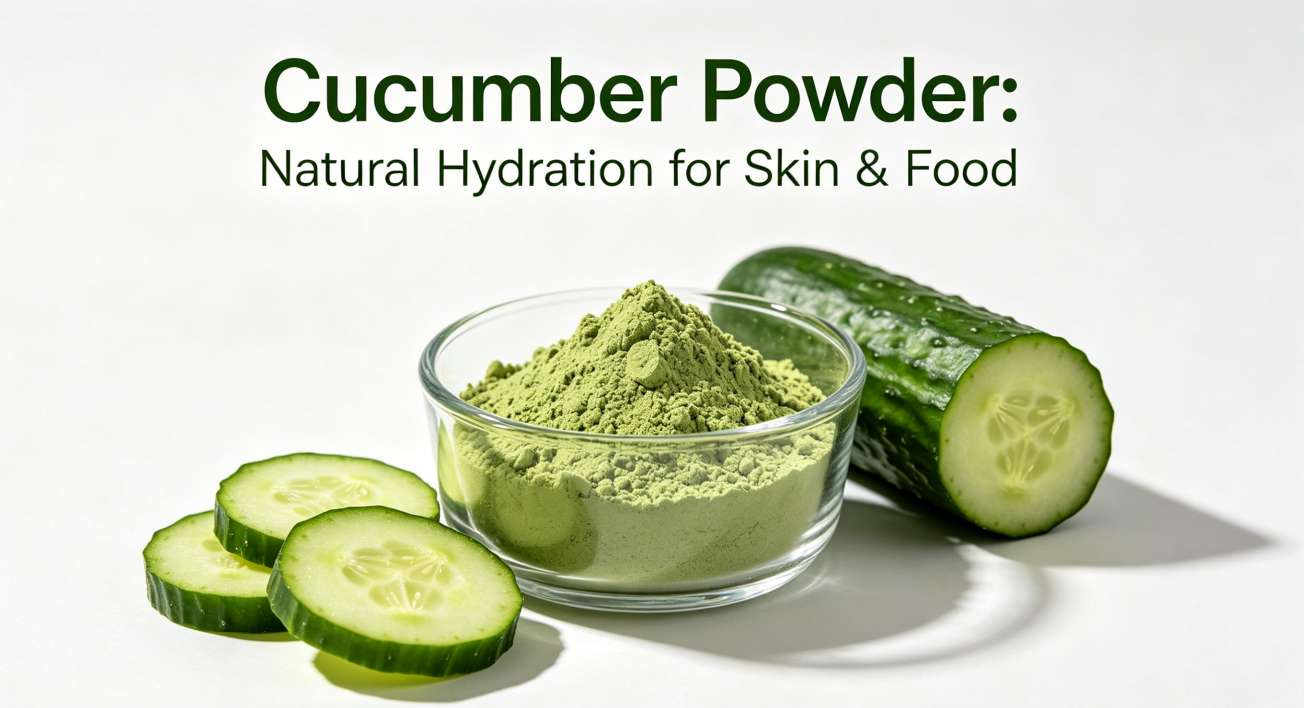
- Melon vegetables: bitter melon, cucumber, winter melon, loofah
- Legumes: peas, kidney beans
- Non-green vegetables: tomato, chili, eggplant, mushrooms
- Red fruits & citrus: orange, grapefruit, mango, blueberry, grape, watermelon, pink grapefruit (rich in lycopene & vitamin C)
3.Key Tip for Antioxidant Intake
Lycopene: The Most Powerful Natural Antioxidant Carotenoid
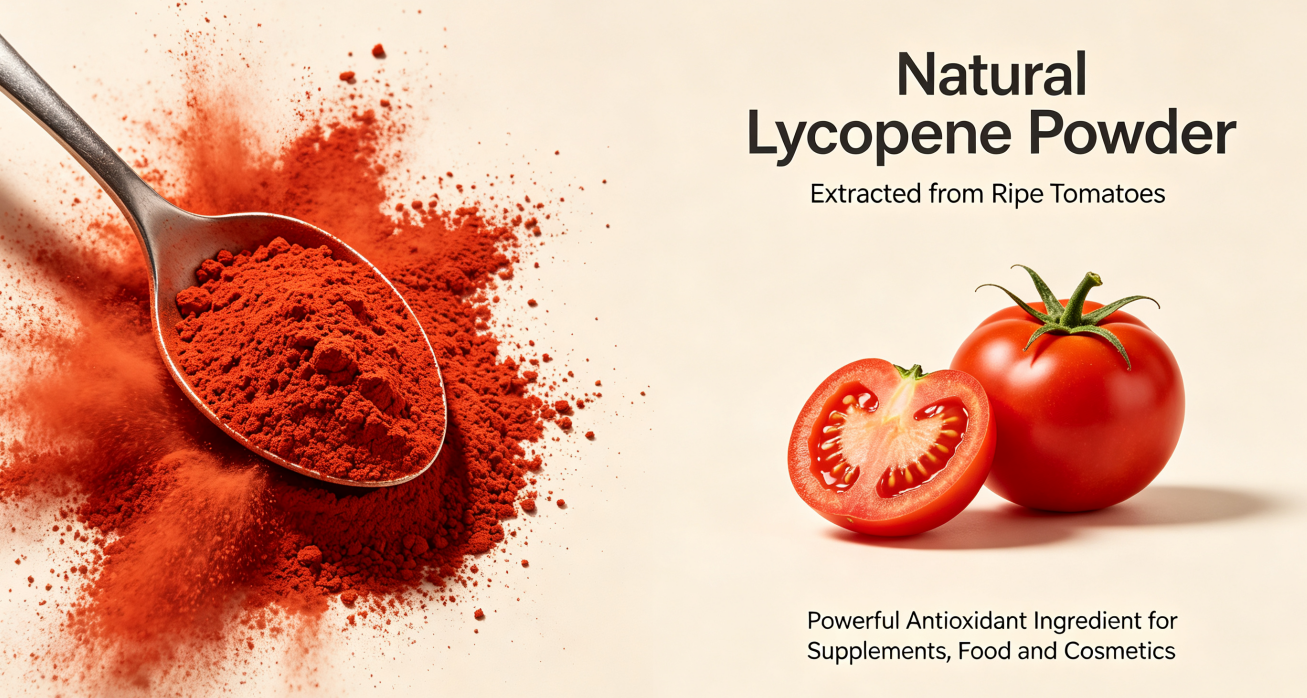
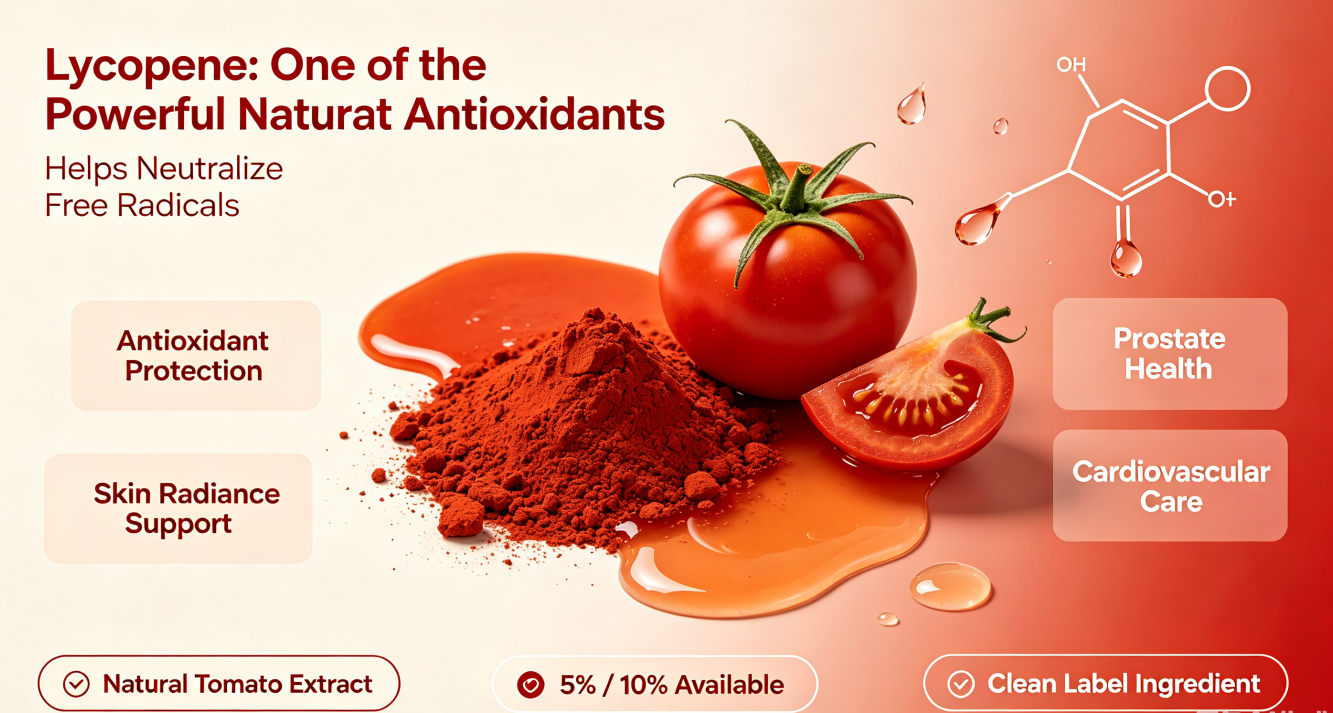
Lycopene (CAS: 502-65-8, molecular formula C₄₀H₅₆) is a natural red pigment primarily concentrated in ripe solanaceous tomatoes, plus watermelon, pink grapefruit and gac fruit.
Authoritative lab tests confirm its outstanding antioxidant superiority:
- Singlet oxygen quenching efficiency is 100x higher than Vitamin E
- Radical-scavenging capacity far surpasses β-carotene and other common carotenoids
It efficiently neutralizes singlet oxygen and free radicals — the primary factors that weaken human immunity and accelerate aging — supporting relief of sub-health issues linked to oxidative deterioration.
Extended Commercial & Purchasing Core Section
1. Two Main Lycopene Raw Material Sources: Natural Tomato Extract VS Synthetic Lycopene
Natural Lycopene (Tomato Oleoresin / Microencapsulated Powder)
- Raw source: Concentrated extraction from mature tomato fruit pulp
- Core advantages for brands: Clean-label compliant, natural origin marketing claims, rich secondary tomato phytochemicals (flavonoids, vitamins), better consumer acceptance; widely recognized by FDA GRAS & EU E160d standards
- Target buyers: Premium dietary supplement brands, organic functional food lines, high-end skincare cosmetics
- Limitation: Higher unit cost, supply tied to tomato crop harvest cycles
Synthetic Lycopene
- Production route: Chemical Wittig condensation synthesis
- Core advantages: Stable batch supply, lower raw material cost, consistent all-trans lycopene ratio, unaffected by agricultural seasons
- Compliance: Approved as EU novel food additive (E160d) with unified ADI daily intake standard 0–0.5mg/kg body weight by JECFA
- Target buyers: Mass-market food coloring, low-cost general vitamin compound tablets, large-volume beverage formulations
- Limitation: Cannot carry “natural plant extract” marketing labels for clean-label products
2. Mainstream Commercial Lycopene Specifications for Bulk Sourcing
- 5% Lycopene Microencapsulated Powder:Best-selling universal grade; low cost, uniform dispersion, easy mixing for tablets, hard capsules, functional beverages, dairy products and baked goods. Ideal for mass-market daily antioxidant supplements.
- 10% Lycopene Powder / Oleoresin:Mid-to-high concentration standard; perfect for high-potency single-ingredient lycopene softgels, sports nutrition formulas and anti-aging skincare raw materials. Balances formulation dosage control and production cost.
- 20% High-Purity Lycopene Oleoresin:Premium high-concentration grade; minimal excipient content, for medical food, clinical nutritional supplements and high-end cosmetic serum raw materials. Low addition dosage reduces formula filler volume.
Additional custom options: Water-soluble microcapsule powder, oil-soluble oleoresin, cold-water instant powder for beverage systems.
3. Cross-Industry Application Advantages of Lycopene Raw Material
A. Dietary Supplement Industry (Largest B2B Demand Scenario)
- Form adaptability: Compatible with softgels, hard capsules, chewable tablets, powder sachets, gummies and compound multi-antioxidant blends
- Marketing selling points: Supports prostate health, cardiovascular lipid balance, post-exercise muscle recovery, daily anti-aging immune care
- Formulation benefit: Microencapsulated technology solves lycopene’s light/heat instability problem, extends finished product shelf life, ensures accurate per-unit dosing
B. Functional Food & Beverage Industry
- Dual function: Natural red food colorant (EU additive code E160d) + added antioxidant nutrition value, eliminates need for synthetic colorants to fit clean-label trends
- Applicable products: Tomato juice, sports drinks, breakfast cereals, yogurt, meat analogs, low-sugar confectionery
- Processing merit: Excellent heat & pH stability during food high-temperature sterilization and baking, no color fading
C. Cosmetic & Personal Care Industry
- Topical antioxidant effect: Neutralizes skin surface free radicals caused by UV radiation, reduces pigmentation formation, improves dull and aged skin texture
- Form compatibility: Mixable with face serums, moisturizing creams, sun care products, facial masks
- Competitive edge over synthetic antioxidants: Natural plant-derived ingredient attracts clean beauty brand consumers, anti-inflammatory auxiliary effects soothe mild sensitive skin
4. Global Regulatory Compliance Reference for International Purchasers
- United States: FDA GRAS certified (GRN 156), approved for all mainstream food, beverage and supplement categories
- European Union: Food additive E160d, maximum permitted usage levels clearly defined across 30+ food categories under Regulation 1333/2008
- Global unified safety standard: JECFA sets acceptable daily intake (ADI) 0–0.5mg/kg body weight for both natural and synthetic lycopene; qualified suppliers can provide full COA, heavy metal & microbial test reports for customs clearance
Market Demand Outlook for Lycopene Raw Materials
Driven by three major global trends — rising consumer anti-aging awareness, booming clean-label functional food market, and fast-growing natural antioxidant cosmetic sector — bulk lycopene purchasing volume keeps climbing year over year. Most mid-sized supplement and food manufacturers prioritize stocking 5% and 10% standard lycopene specifications for flexible multi-product line development, while high-end brands lean toward natural tomato-extracted 10%–20% grades for premium product differentiation.
Conclusion
Lycopene‘s singlet oxygen scavenging power makes it a core antioxidant raw material across supplements, functional foods and cosmetics. For B2B buyers, clear differentiation between natural vs synthetic sources and targeted selection of 5% / 10% / 20% specifications directly optimize production costs and product market positioning.
When sourcing lycopene in bulk, always prioritize suppliers that provide complete regulatory certification documents, stable batch-to-batch purity and customized microencapsulation solutions to match your finished product formulation requirements.
Ready to try Lycopene for your business? Contact us at info@xianherb.com for a free sample or wholesale price list.
Thank you. You can contact us via email:info@xianherb.com