
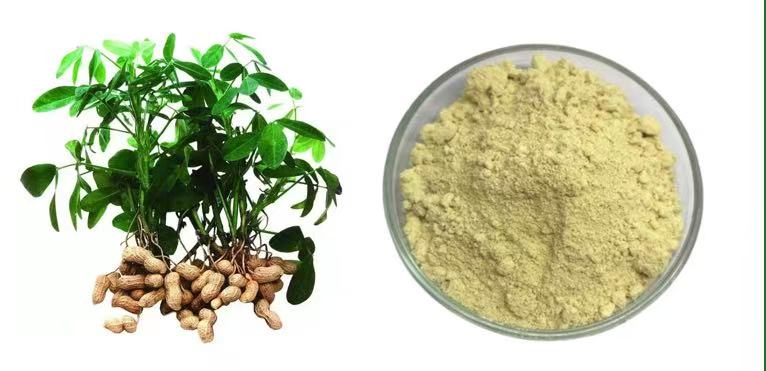
You might not recognize the name “Luteolin,” but it‘s already quietly embedded in your life—from the green tea in your hand, the celery on your plate, to anti-inflammatory pills in your medicine cabinet, and even in your cosmetics. This natural flavonoid compound, though tricky to pronounce, is a genuine “cross-industry multitasker.” Today, let’s uncover how this understated ingredient is used across food, pharmaceuticals, cosmetics, and industrial sectors.
I. The “Invisible Guardian” of Healthcare
Luteolin is widely studied in pharmaceutical research. Research has explored its antioxidant capacity, which has been reported to be stronger than vitamin C in certain experimental systems, and its studied role in capturing free radicals in relation to cellular aging. More notably, it has been studied for its effects on inflammatory factors (like TNF-α and IL-6). Global research groups now study it in relation to chronic joint conditions and allergy research, as a natural alternative to synthetic ingredients.
In cancer research, luteolin has been studied as a compound of interest. By exploring cancer cell signaling pathways and tumor angiogenesis, it has been studied for its role in disrupting cancer proliferation in laboratory settings. While not a replacement for chemotherapy, as an adjuvant studied in research settings, it has been explored for its role in reducing oxidative damage from radiotherapy—enabling research into higher-value combination therapies.
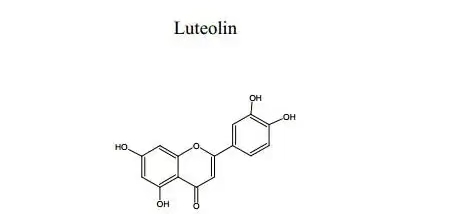
II. Food Industry’s “Natural Preservation Master”
Consumers recoil at the term “preservatives,” but luteolin offers a natural alternative. Its broad-spectrum antimicrobial properties significantly inhibit common foodborne pathogens like Staphylococcus aureus and E. coli. One European juice brand found that adding 0.05% luteolin extract extended product shelf life by 30% while maintaining a “clean label” (no artificial preservatives), boosting sales by 20%.
In functional foods, luteolin is highly sought-after. Added to sports recovery drinks, it accelerates muscle oxidative stress repair. Paired with dietary fiber in meal replacements, it enhances satiety while regulating gut microbiota—helping products stand out in saturated markets.

III. Skincare’s “Antioxidant Dark Horse”
Check high-end skincare ingredient lists: luteolin is joining the “anti-aging trinity” (vitamin C, E, and astaxanthin). Its small molecular weight and high skin permeability allow it to neutralize UV-induced free radicals and prevent collagen degradation. One Korean brand combined it with niacinamide in an anti-blue light serum that topped e-commerce charts within 3 months—after all, who wouldn’t want “anti-aging” protection against screens?
Crucially, luteolin stabilizes other actives. When paired with hyaluronic acid, it reduces oxidation-driven degradation, prolonging hydration. For cosmetic manufacturers, this dual efficacy cuts formulation costs by 15%.

IV. Industrial “Green Catalyst”
Think that’s all? Luteolin even transforms textiles and plastics! Dyeing factories use it to treat wastewater, degrading azo dyes 40% more efficiently than chemical flocculation. Bioplastic producers discovered that trace amounts enhance PLA’s heat resistance, making “compostable bags” more durable—a timely solution for eco-compliance.
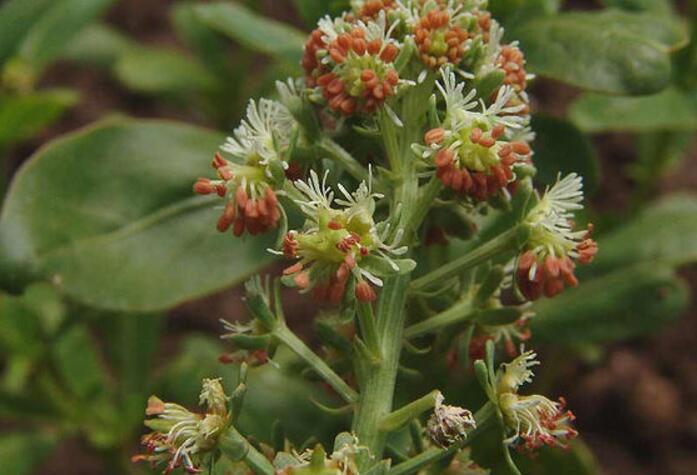
V. Tailored Solutions for Your Industry
Luteolin’s potential extends far beyond these examples—its value lies in seamless integration with your products. Whether optimizing drug stability, replacing synthetic preservatives, or upgrading skincare antioxidants, we understand each industry’s unique needs.
As a high-purity luteolin supplier, we deliver more than premium raw materials—we’re your R&D partner:
 Rigorous QC: Every batch undergoes HPLC testing, ensuring ≥98% purity (USP/EP compliant).
Technical Empowerment: Free industry-specific data packs (solubility/stability/compatibility parameters) for rapid feasibility validation.
Cost Optimization: Customized application strategies to balance efficacy and budget.
We’re ready to answer your critical questions:
Is luteolin compatible with your product matrix?
What’s the optimal active concentration to avoid waste?
How to resolve solubility or stability challenges?
Contact us now to receive:
 Free samples: Test performance risk-free.
 Industry Application Guide: Case studies & data across pharma/food/cosmetics.
 1-on-1 Technical Consultation: Expert engineers solving real-world challenges.
Share your needs—we’ll handle the perfect match.
 Contact us today for a professional reply within 24 hours!
Leave A Comment