
Global formulators and bulk buyers frequently ask what makes Hibiscus Flower Extract (also known as Roselle or Hibiscus sabdariffa extract) a must-have ingredient for commercial production. The answer lies in its unique anthocyanin and organic acid profile—particularly delphinidin-3-sambubioside and cyanidin-3-sambubioside—which has made it one of the most researched botanical ingredients for cardiovascular support, blood pressure management, and metabolic wellness formulations. With the global market for hibiscus-based products continuing to expand across nutraceutical, functional food, and cosmetic applications, demand for high-quality, standardized hibiscus flower extract is growing steadily.
What Is Hibiscus Flower Extract?
Hibiscus Flower Extract is a concentrated botanical ingredient derived from the dried calyces and flowers of Hibiscus sabdariffa L., a tropical plant widely cultivated in regions such as Africa, Southeast Asia, and Latin America. The extract is valued for its naturally occurring bioactive compounds, particularly anthocyanins (including delphinidin-3-sambubioside and cyanidin-3-sambubioside), organic acids (such as citric acid, malic acid, and tartaric acid), and flavonoids (including quercetin and kaempferol), which serve as the primary quality markers for standardization and formulation consistency.
The extract appears as a fine red to purple powder with a characteristic tart, fruity taste. In commercial production, hibiscus flower extract is available in multiple standardized forms. Common specifications include extract ratios ranging from 4:1 to 10:1 and standardization to total anthocyanin content (HPLC-verified), with premium grades standardized to specific marker compounds for consistent biological activity.
The global market for hibiscus extract is experiencing robust growth, driven by increasing consumer awareness of cardiovascular health and the rising demand for natural, plant-based ingredients in dietary supplements, functional beverages, and clean-label food products. Its natural red color and tart flavor profile also make it an attractive alternative to synthetic colorants and artificial flavors.
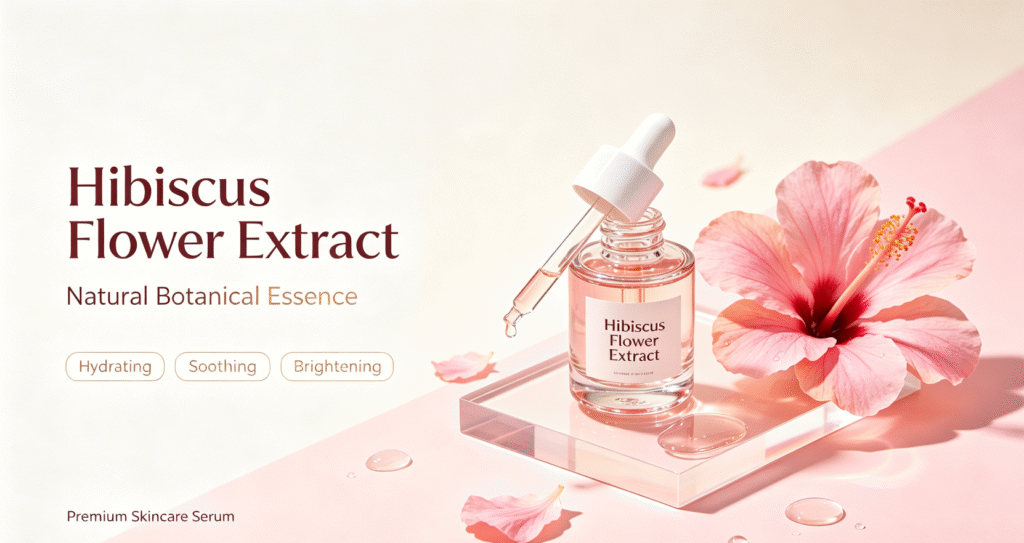
Core Specifications & Quality Grades
For professional buyers, understanding specifications is the first step to accurate procurement. The core specifications of hibiscus flower extract are determined by active marker content, purity, intended application, and extraction method.
Active Marker Standardization – The Industry Benchmark
The key bioactive markers are total anthocyanins (primarily delphinidin-3-sambubioside and cyanidin-3-sambubioside), total polyphenols, and organic acids. Premium extracts are standardized to these markers, with total anthocyanin content typically ranging from 1.5% to 5.0% and total polyphenol content from 5.0% to 15.0%, depending on the grade and intended application.
Extraction Ratio and Physical Properties
Standard commercial specifications include extract ratios from 4:1 to 10:1. Loss on drying should be below 5.0%, and heavy metal limits must meet international supplement standards with lead, arsenic, cadmium, and mercury strictly controlled. Microbiological quality must meet USP requirements for total plate count, yeast and mold, and absence of Salmonella and E. coli.
Application-Specific Grades
Not all hibiscus flower extracts are the same. Depending on your application, you may need different grades:
-
Ratio Extract (4:1 to 10:1): Best suited for capsules, tablets, and powder blends for dietary supplements, offering a balanced potency-to-cost ratio with the natural flavor profile preserved.
-
Standardized Extract (with specified anthocyanin/polyphenol content): Preferred for high-potency formulations and applications requiring precise marker control, such as clinical-grade cardiovascular products and standardized nutraceuticals.
Core Benefits of Hibiscus Flower Extract
Hibiscus flower extract has been extensively studied for its wide-ranging biological effects, with findings derived from in vitro, animal, and emerging clinical evidence.
For Cardiovascular and Circulatory Support
Hibiscus flower extract has been used in traditional herbal medicine for centuries to support heart function and maintain healthy circulation. Research indicates that the extract may help maintain healthy blood pressure levels within the normal range through multiple mechanisms, including ACE-inhibitory activity, diuretic effects, and the enhancement of nitric oxide-mediated vasodilation. Clinical studies have demonstrated significant reductions in both systolic and diastolic blood pressure in pre-hypertensive and mildly hypertensive individuals. The anthocyanins and organic acids in hibiscus help maintain vascular relaxation through endothelium-dependent vasodilation, supporting vascular elasticity and overall cardiovascular wellness.
For Metabolic and Lipid Support
Recent research has demonstrated that hibiscus flavonoids and organic acids exhibit significant inhibitory effects on pancreatic lipase activity, suggesting potential applications in functional foods for weight management and lipid-lowering formulations. The extract has also been shown to improve lipid profiles, with reductions in total cholesterol, triglycerides, and LDL cholesterol observed in clinical and preclinical studies. These metabolic benefits, combined with its mild diuretic properties, make hibiscus extract a valuable ingredient for comprehensive metabolic wellness formulations.
For Antioxidant and Cellular Protection
Hibiscus flower extract is rich in anthocyanins, flavonoids, and phenolic acids, providing strong antioxidant activity that helps combat oxidative stress and supports long-term cardiovascular and cellular health. The extract’s oxygen radical absorbance capacity (ORAC) values are comparable to or exceeding those of many other well-known antioxidant-rich botanicals. This potent antioxidant activity helps protect cell membranes, proteins, and DNA from oxidative damage, contributing to healthy aging and overall vitality.
For Digestive and Gut Health
Emerging research highlights the prebiotic-like activity of hibiscus polyphenols, which promote the growth of beneficial gut bacteria such as Bifidobacteria and Lactobacilli while inhibiting pathogenic strains. This modulation of the gut microbiota may contribute to improved nutrient absorption, enhanced immune function, and better overall digestive comfort. The mild diuretic and gentle laxative properties of hibiscus extract have also been traditionally used to support kidney function and promote regularity.
For Skin Health and Cosmetic Applications
The benefits of hibiscus flower extract extend well beyond internal health. Its high concentration of natural alpha-hydroxy acids (including citric and malic acids) provides gentle exfoliating properties that help refine skin texture and promote cellular renewal. The antioxidant-rich nature of the extract helps protect the skin from environmental stressors such as UV radiation and pollution, while its anti-inflammatory properties make it suitable for soothing sensitive or irritated skin. These multifunctional benefits make hibiscus extract a sought-after ingredient in anti-aging serums, moisturizers, facial masks, and body lotions.
Applications & Industrial Value
Hibiscus flower extract is a versatile ingredient with applications spanning multiple industries.
Dietary Supplements and Nutraceuticals
Hibiscus flower extract is most commonly used in cardiovascular health, blood pressure management, metabolic wellness, and healthy aging formulations. It is available in capsules, tablets, and powder sachets, with typical standardized dosages ranging from 250 to 500 mg per serving of anthocyanin-standardized extract. It is often combined with other botanicals such as green tea extract, grape seed extract, or CoQ10 for synergistic cardiovascular and metabolic blends.
Functional Foods and Beverages
Hibiscus flower extract is increasingly used in teas, wellness shots, fortified waters, and flavored beverages. Water-soluble grades enable easy incorporation into instant drink mixes and liquid formulations, with typical usage levels ranging from 0.5% to 2.0% of the formulation. The extract’s natural red color provides a visually appealing, clean-label alternative to synthetic red dyes (such as Red 40), while its tart flavor can be balanced with natural sweeteners or fruit flavors for palatable beverage applications. It is also used in jams, jellies, and confectionery for its natural color and flavor.
Cosmetics and Personal Care
Hibiscus flower extract’s antioxidant, anti-inflammatory, and gentle exfoliating properties support its use in anti-aging serums, brightening creams, soothing lotions, and facial masks. Its natural humectant properties help retain moisture, keeping the skin hydrated and plump. It is also increasingly featured in oral care products, such as mouthwashes and toothpastes, owing to its antimicrobial properties.
Natural Colorants
With growing consumer demand for natural, plant-based colorants, hibiscus flower extract is gaining traction as a natural red to purple colorant in food, beverage, and cosmetic applications. Its color stability across a range of pH levels (from acidic to neutral) makes it a versatile alternative to synthetic dyes.
Regulatory & Safety Status
Hibiscus flower extract is widely recognized as a safe dietary supplement ingredient in North America, Europe, and Asia. In the European Union, it is included in the European Pharmacopoeia and is commonly used in traditional herbal medicinal products. In the United States, it is generally recognized as safe (GRAS) for use in food and beverages and is regulated as a dietary supplement ingredient.
Safety Considerations
Hibiscus extract is generally well-tolerated, with mild gastrointestinal discomfort occurring in some sensitive users, particularly when starting supplementation or at higher doses. It may interact with certain medications, including antihypertensive drugs and diuretics, due to its blood pressure-lowering and diuretic effects. Manufacturers should include guidance on their labels advising consumers taking prescription medications to consult their healthcare providers before use.
Quality Documentation
A responsible supplier should provide batch-specific Certificates of Analysis (COA) confirming anthocyanin content, total polyphenols, heavy metals, pesticide residues, and microbiological safety. Full traceability from raw material sourcing to finished product is essential for regulatory compliance and brand integrity.
Why Choose Our Hibiscus Flower Extract
As a professional botanical extract manufacturer, Xi’an Herb Bio-Tech Co., Ltd offers high-quality, standardized hibiscus flower extract with multiple specification options, including 4:1 to 10:1 ratio extracts, standardized grades with anthocyanin and polyphenol specifications, and water-soluble and spray-dried grades for beverage applications.
Our products offer:
-
Full Traceability: Complete COA documentation including heavy metals, microbiological, and pesticide testing.
-
Customization Capabilities: We can adjust particle size, solubility profiles, and active compound ratios to meet specific formulation requirements.
-
Flexible Supply: From trial orders to full container shipments, we accommodate diverse procurement needs.
-
Certified Production: GMP-certified manufacturing with ISO, Halal, and Kosher certifications available.
-
Cost Advantage: Our excellent production capacity and cost control allow you to save 60-80% on ingredient costs without compromising quality.
Ready to try Hibiscus Flower Extract for your business? Contact us at info@xianherb.com for a free sample or wholesale price list.
Leave A Comment