
Understanding Pea Protein
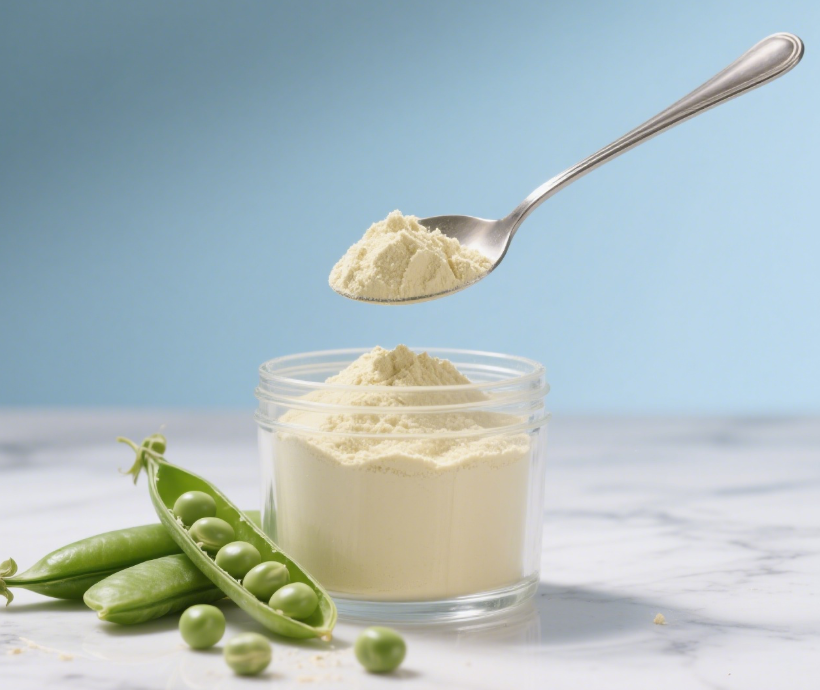
In today’s health-conscious market, pea protein has emerged as a leading plant-based supplement. Extracted from yellow split peas through advanced drying and milling processes, this complete protein offers all nine essential amino acids, making it an ideal alternative to animal-based proteins.
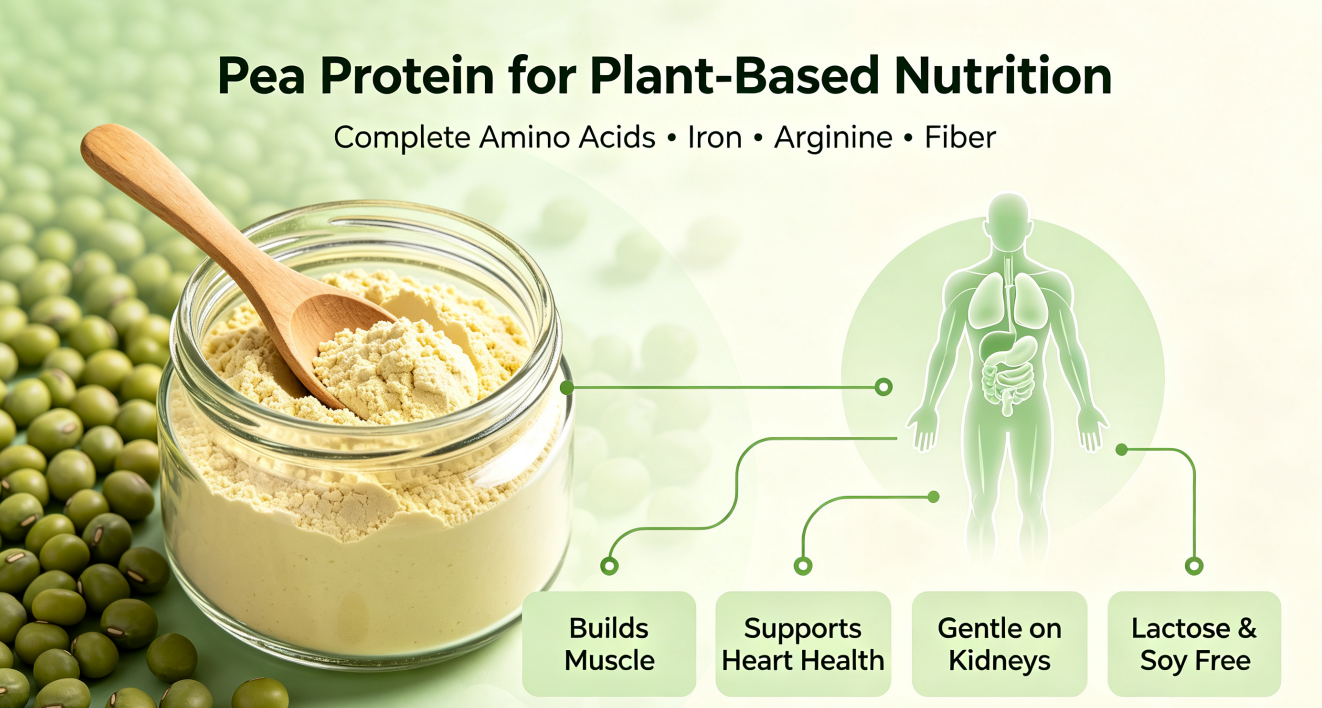
A single serving of pea protein isolate delivers 20-25 grams of protein with just 100-120 calories. Key benefits include:
- Complete amino acid profile (slightly lower in methionine)
- 30-35% daily iron requirement per serving
- Rich in heart-healthy arginine
- Excellent digestibility and low allergy risk
Evidence-Based Benefits
Muscle Development: Research shows pea protein supports muscle growth as effectively as whey protein when combined with resistance training
Heart Health: Clinical studies demonstrate blood pressure and cholesterol reduction
Kidney-Friendly: Unlike some animal proteins, it doesn’t stress renal function
Sustainable Choice: Requires less water and generates fewer emissions than animal proteins
Comparative Advantages vs. Mainstream Proteins
| Protein Type | Core Advantages of Pea Protein | Key Pain Point Solved |
|---|---|---|
| VS Whey Protein | Equal muscle-building efficacy; hypoallergenic; plant-based identity | Lactose intolerance, dairy allergen risks, animal-derived labeling limitations |
| VS Soy Protein | Non-GMO mainstream supply; no phytoestrogen interference; cleaner flavor | GMO regulatory disputes, hormonal concerns for sensitive demographics |
| VS Rice Protein | Higher BCAA content; superior solubility & emulsification; lower production cost | Weak amino acid profile, poor functional performance in beverages |
Product Specification & Procurement Guide
1.Core Purity Specification
- Pea Protein Isolate: 85%–90% protein (dry basis) — standard sports & beverage grade
- Pea Protein Concentrate: 70%–80% protein (dry basis) — general nutritional fortification grade
- Textured Pea Protein: 65%–75% protein — meat alternative dedicated grade
2.Heavy Metal & Microbial Compliance Standards (FDA / EU / FCC Compliant)
All batches comply with GRAS notification, FCC food chemical codex, and EU 10/2011/EU safety regulations:
Heavy Metal Limits
- Lead (Pb): ≤0.2 mg/kg
- Arsenic (As): ≤1.0 mg/kg
- Cadmium (Cd): ≤0.1 mg/kg
- Total Heavy Metals: ≤10.0 ppm
Microbiological Limits
- Total Plate Count: ≤10,000 cfu/g
- Salmonella: Not detected / 25g
- E. coli: Not detected / g
- Listeria / Staphylococcus aureus: Negative
- Yeast & Mold: ≤50 cfu/g
3.Available Industrial Dosage Forms
- Superfine Powder: 800–1200 mesh, instant solubility for RTD drinks & solid beverages
- Regular Powder: 400–600 mesh, universal for meal replacement & baking
- Textured Granule: Coarse/fine fibrous particles for plant-based meat extrusion
- Debittered Grade: Low-raw-bean aftertaste, tailored for high-end clear beverage formulas
4.Bulk Packaging & Storage Requirements
- Standard Packaging: 25kg food-grade kraft paper drum with inner PE liner; nitrogen-flushed optional for high-end grades
- Custom Packaging: 1kg/5kg small trial bags, OEM private label sachets available
- Shelf Life: 24 months under sealed condition
- Storage Rules: Store in dry, dark, ventilated warehouse (≤25℃, humidity ≤60%); seal tightly after opening to avoid moisture absorption and caking
- Transportation: Non-cold-chain friendly; avoid stacking with strong-odor materials
5.Procurement Tips
- Prioritize suppliers providing batch COA, heavy metal test reports, and microbial certificates
- Select debittered isolate for clear beverages to prevent aftertaste precipitation
- Textured grade requires pre-production rehydration ratio confirmation for meat analog formulas
Target User Groups & Versatile B2B Applications
1. Ideal Target Audiences for Product Positioning
- Fitness athletes & sports nutrition consumers
- Vegetarian, vegan, and plant-based diet groups
- Consumers with lactose, dairy, or soy allergies
- Renal care and low-allergen nutritional demand groups
- Eco-conscious consumers favoring sustainable food
2.Industrial Application Scenarios
- Beverages: Protein shakes, RTD high-protein drinks, plant milk, clear functional beverages
-
Functional Food: Meal replacement powder, nutrition bars, renal-friendly formula powder
-
Bakery & Dairy: High-protein bread, fortified yogurt, protein ice cream
-
Plant-Based Meat: Vegan patties, shredded meat analogs, filling protein bases
-
Supplements: Vegan muscle-building formulas, cardiovascular health capsules
Conclusion
Pea protein is not merely a plant-based trend ingredient — it is a scientifically validated, compliance-stable, and cost-efficient complete protein solution. With graded purity specs (70%–90%), hypoallergenic safety, and verified clinical benefits, it fully covers sports nutrition, daily fortification, and plant-based meat tracks. By selecting the correct isolate/concentrate/textured grade based on our procurement guide, manufacturers can simplify R&D trials, reduce compliance risks, and launch differentiated clean-label products faster.
some really interesting info , well written and broadly speaking user friendly.