
Project Description
Welcome to our store.
Here we will provide you with one-stop service and provide you with personalized and exclusive services.
Looking forward to your experience and purchase.
Product Description
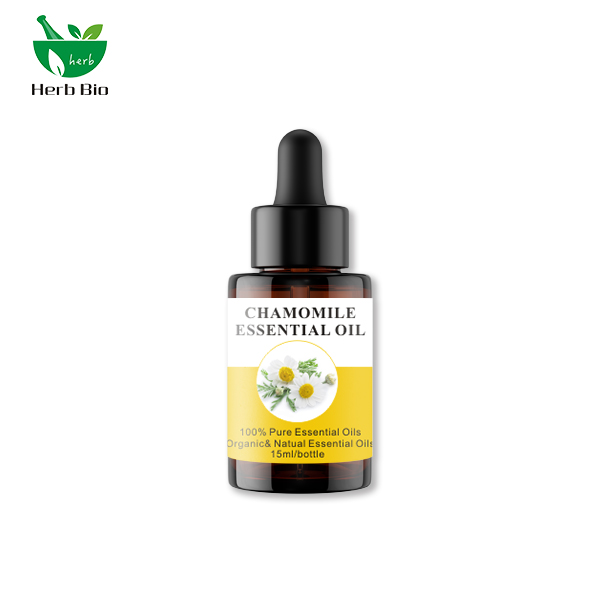
Chamomile essential oil is a volatile aromatic oil obtained through steam distillation of the flowers from either Matricaria chamomilla (German Chamomile) or Chamaemelum nobile (Roman Chamomile). It is a versatile natural raw material valued across the flavor, fragrance, cosmetic, and nutraceutical industries for its distinctive chemical profile and functional properties.
- German Chamomile (Matricaria chamomilla) oil is characterized by its deep blue color, derived from the compound chamazulene. Its major constituents include α-Bisabolol oxide A, α-Bisabolol oxide B, and chamazulene, which contribute to its characteristic profile.
- Roman Chamomile (Chamaemelum nobile) oil is distinguished by its high ester content, primarily angelates, which impart a sweet, floral, and fruity aroma.
Our chamomile essential oils are available in both varieties and comply with international quality standards, including IFRA and EU Cosmetics Regulation (EC) No 1223/2009 for cosmetic ingredients.
Main Chemical Composition
German Chamomile (Matricaria chamomilla) – Typical GC-MS Data Reference
- The major chemical components of German chamomile essential oil include α-Bisabolol oxide A, typically ranging from 17 to 42 percent; α-Bisabolol oxide B, ranging from 16 to 38 percent; α-Bisabolone oxide A, ranging from 10 to 20 percent; trans-β-Farnesene, ranging from 1 to 11 percent; Chamazulene, ranging from 3 to 18 percent; and Spathulenol, ranging from 0.3 to 7 percent.
- The chamazulene content of German chamomile essential oil is directly correlated with its signature deep blue color – higher content results in deeper coloration. This compound serves as the characteristic marker for this variety.
Roman Chamomile (Chamaemelum nobile) – Typical GC-MS Data Reference
- The major chemical components of Roman chamomile essential oil include Isobutyl angelate, ranging from 2 to 38 percent; Methyl allyl angelate, ranging from 6 to 16 percent; Isoamyl angelate, ranging from 3 to 22 percent; Methyl-3 amyl angelate, ranging from 8 to 18 percent; α-Pinene, ranging from 1 to 12 percent; and trans-Pinocarveol, ranging from 2 to 12 percent.
- Roman chamomile essential oil is characterized by its predominant ester compounds, which impart its distinctive floral and fruity notes. This profile is markedly different from the bisabolol oxide and chamazulene-dominated composition of German chamomile.
Key Applications & Industry Uses
1. Cosmetics & Personal Care Ingredients
Skin Care Formulations: Chamomile essential oil is incorporated into serums, face oils, body lotions, and anti-aging products. Its documented anti-inflammatory and soothing properties make it suitable for formulations targeting sensitive or compromised skin. It also serves as a natural fragrance component, providing a warm, floral, herbaceous, and fruity note.
Regulatory Compliance: For cosmetic ingredient labeling, the INCI name for Roman chamomile is Anthemis Nobilis Flower Oil, and for German chamomile is Chamomilla Recutita Flower Oil. Our products are listed in the IECIC inventory and comply with IFRA standards and the EU Cosmetics Regulation (EC) No 1223/2009.
2. Flavor & Food Industry
Natural Flavoring Agent: Chamomile essential oil is listed under FEMA Number 2275 and is FDA-recognized as GRAS (Generally Recognized as Safe). It is used to impart a delicate floral, apple-like note to beverages (herbal teas, functional drinks), confectionery, and dairy products.
Food Preservation: Research demonstrates that the oil’s antioxidant compounds (including bisabolol oxide, trans-β-farnesene, and chamazulene) contribute to its potential as a natural preservative for extending the shelf life of food products by inhibiting oxidative rancidity and microbial growth.
3. Pharmaceutical & Nutraceutical Excipients
Functional Excipient: With documented anti-inflammatory and antioxidant bioactivities, chamomile essential oil is used as a functional ingredient in topical and oral nutraceutical formulations. It is listed in FDA 182.20 as a GRAS essential oil substance and has a long-standing history of use in Western herbalism as a medicinal raw material.
4. Aromatherapy & Wellness Products
Sensory Modulation: In aromatherapy and wellness applications, the oil is used in diffuser blends, massage oils, and bath products for its characteristic aroma profile, which is associated with creating a relaxing and calming sensory environment.
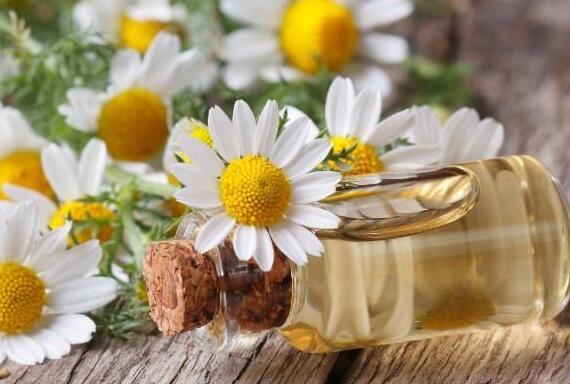
Essential oils suitable for mixing with Grapefruit essential oil:
- Bergamot Essential Oil
- Sage Essential Oil
- Lavender essential oil
- Geranium essential oil
- Jasmine essential oil
- Tea tree essential oil
- Grapefruit essential oil
- Rose essential oil
- Lemon essential oil
- Ylang ylang essential oil
Packing & Shipping

Why Choose Us & How to Order?

Leave A Comment