
Project Description
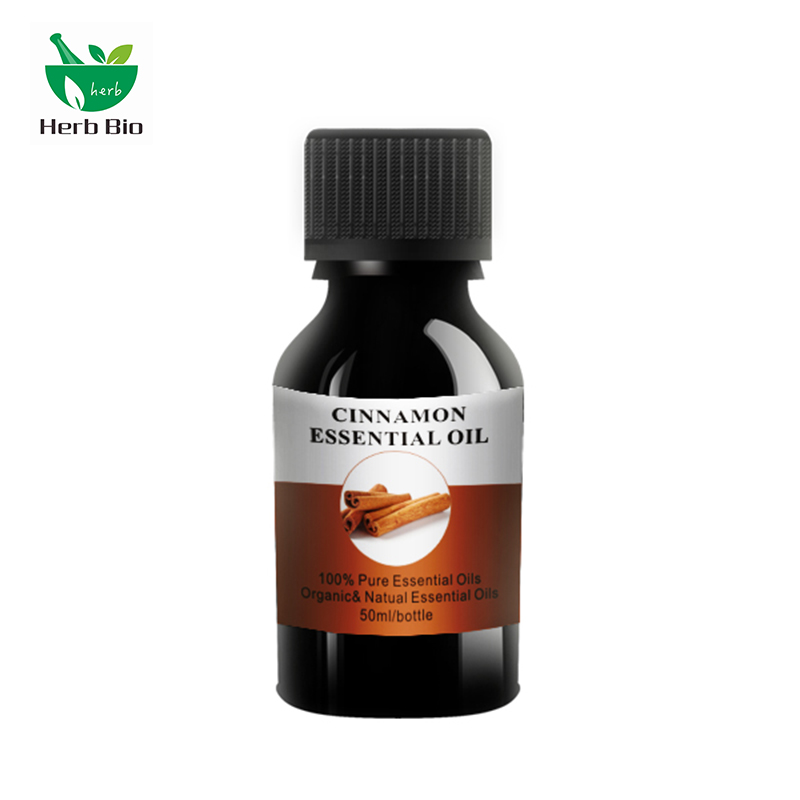
Product Description
Cinnamon essential oil is mainly distilled from the bark for its aroma, and recently leaves have also been added, which tastes a bit like a mixture of wood, spicy, and musk. Cinnamon essential oil contains zinc, manganese, copper and other trace elements, which can warm the kidney yang and stimulate the secretion of sex hormones. Its warm, soothing qualities help produce a euphoric effect and are an aphrodisiac.
Convulsions are likely to occur in high doses. Avoid bathing with cinnamon oil, preferably using the “inhalation method”. Dilute to a very low concentration (1%).
- Latin Name: Cinnamomum cassia Presl (Family: Lauraceae)
- Plant Part Used: Dried twigs, leaves, and/or bark
- Extraction Method: Steam Distillation
Bark oil yield: approx. 1%–2%
Fresh twig/leaf oil yield: approx. 0.3%–0.4%
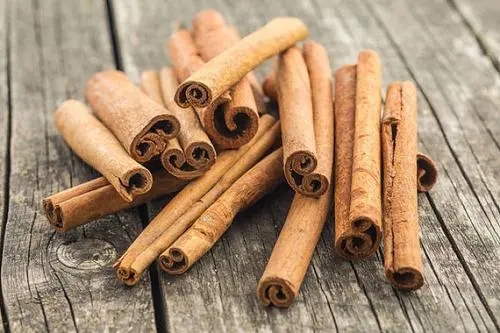
Main Chemical Composition
The chemical profile of cinnamon essential oil is complex, with trans-Cinnamaldehyde as its predominant active component. Content levels vary depending on raw material origin, cultivar, tree age, and extraction method.
Typical GC-MS data reference ranges:
| Component | Content Range (Reference) |
|---|---|
| trans-Cinnamaldehyde | 70%–92% (major constituent) |
| δ-Cadinene | varies by batch |
| α-Muurolene | varies by batch |
| Benzyl Alcohol | trace |
| 2-Methoxycinnamaldehyde | trace |
Technical note: Research indicates that different extraction methods yield distinct chemical profiles. Steam-distilled oils typically contain over 90% trans-cinnamaldehyde, while Supercritical CO₂-extracted oils contain approximately 70.44% trans-cinnamaldehyde but retain a broader spectrum of sesquiterpene compounds. Additionally, younger cinnamon trees tend to produce higher oil yields with elevated cinnamaldehyde content, whereas older trees yield oils richer in terpenoid compounds.
Key Functional Properties & Industrial Applications
1.Natural Food Preservation & Shelf-Life Extension
Cinnamon essential oil exhibits strong antimicrobial and antioxidant activities, primarily attributed to its high content of bioactive compounds such as cinnamaldehyde (typically 30–75%) and eugenol. These properties make it an effective natural preservative for inhibiting the growth of spoilage organisms and pathogens (e.g., E. coli, Salmonella, Staphylococcus) in food products. It can be applied in active food packaging, edible coatings, and formulations for meat, produce, bakery, and dairy items to extend shelf life and reduce oxidative deterioration.
2.Functional Ingredient for Health-Oriented Formulations
The bioactive profile of cinnamon oil, particularly cinnamaldehyde, has been the subject of research for its potential in supporting metabolic health. This makes it a relevant ingredient for developing functional foods and dietary supplements targeting areas such as glucose management and lipid balance.
3.Natural Antimicrobial Agent for Non-Food Applications
Beyond food, the antimicrobial and antifungal properties of cinnamon oil are utilized in various industrial sectors. It is explored as a natural biocide in personal care products (for its skin-conditioning and purifying properties), as an active agent in wood preservation to prevent mildew, and as a component in eco-friendly pest management solutions.
4.Clean-Label & Natural Alternative
As consumer demand for clean-label and natural ingredients grows, cinnamon essential oil serves as an effective, plant-based alternative to synthetic preservatives and artificial flavoring agents. Its GRAS (Generally Recognized as Safe) status supports its use in a wide range of products, aligning with the trend towards more sustainable and transparent formulations.
Essential oils suitable for mixing with Cinnamon Essential Oil:
- Cardamom Essential Oil
- Clove essential oil
- Coriander essential oil
- Frankincense essential oil
- Ginger essential oil
- Grapefruit essential oil
- Lavender essential oil
- Cedarwood Essential Oil
- Rosemary essential oil
- Thyme essential oil
Industrial Applications
Cosmetic & Personal Care Ingredients
- Natural fragrance component for toothpaste, mouthwash, chewing gum flavors, soaps, and oral care products.
- Functional ingredient in hair tonics and topical formulations.
- Utilized for its antimicrobial and antioxidant properties in cosmetic formulations.
Food & Flavoring Industry
- Natural flavoring agent for savory and sweet applications, flavor enhancement.
- Used in chewing gum flavors, seasonings, and condiments.
- Cinnamaldehyde can be oxidized to cinnamic acid, which is further esterified with methanol, ethanol, and other alcohols to produce
methyl cinnamate, ethyl cinnamate, and a series of food-grade ester flavor compounds.
Pharmaceutical & Nutraceutical Excipients
- Cinnamaldehyde serves as a functional excipient with antiseptic, stomachic, and lipolytic properties.
- Research indicates potential anti-inflammatory, anti-tumor, and blood glucose-regulating bioactivities.
- Cinnamon oil is officially recognized in the Chinese Pharmacopoeia as a medicinal-grade substance.
Packing & Shipping

Why Choose Us & How to Order?
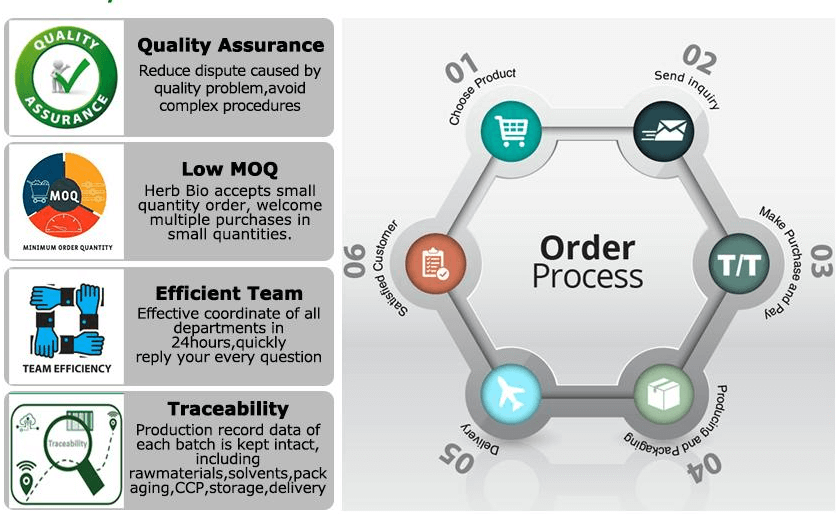
Located in China, if you purchase from us,we offer many additional convenient services, all of which cannot be easilly provided by other ingeredient products suppliers. Welcome to contact us to get FREE SAMPLE!
Hot Tags:Cinnamon Essential Oil,Cinnamon Oil for Food Flavoring,Cinnamon Oil Pharmaceutical Grade,Cinnamon Oil Cosmetic Ingredient,Chinese manufacturers, suppliers, factory, wholesale, for sale, bulk
Leave A Comment